

Viezenz, Günther, born 01-02-1921, in Golinsk, 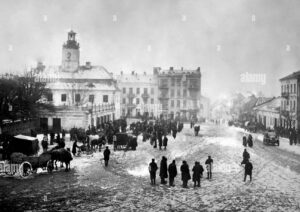 Poland, to German parents in Göhlenau. Günther was 18 when the war broke out. In the outbreak of World War II, Viezenz joined the Wehrmacht of Adolf Hitler
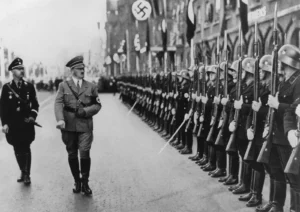

 in 1939, becoming the Commander of 10th Company, Grenadier Regiment 7 of the 252nd Infantry Division
 nickname (Silesian Oak Leaves), under command of General der Kavallerie Diether von Böhm-Bezing, on the 07-01-1944 with the Knight’s Cross of the Iron Cross.

After mobilization, the 252nd Infantry Division was assigned to the reserves of Gerd von Rundstedt‘s

 Army Group South,
 which oversaw the 8th,
 under Generaloberst Johannes Blaskowitz,


 10th, and 14th
 Armies the 14th under command of General Friedrich Augus Eberhard Mackensent

 during the Invasion of Poland. The 252nd Infantry Division did not see combat in Poland, and was only of note for temporary occupation duty in the country
Günther Viezenz had a remarkable and unique military career, which can be divided into his service during World War II and his later career in the post-war West German Bundeswehr.
Due to his extreme close-combat actions while leading the 10th Company on the Eastern Front, he was awarded the Knight’s Cross of the Iron Cross (Ritterkreuz) on 01-07-1944. He wore four Tank Destruction Badges in Gold 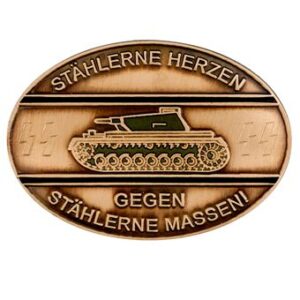 and one in Silver.
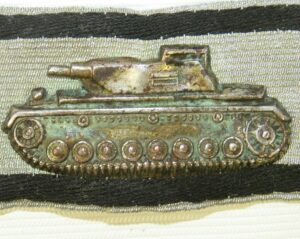
Single-handedly, Viezenz destroyed 21 enemy tanks using only explosives and grenades. He earned four gold Tank Destruction Badges and one silver one. Near the end of the war, he was promoted to the rank of Captain/Hauptmann.
Viezenz held various staff positions and was the deputy commander of Panzer Brigade 21 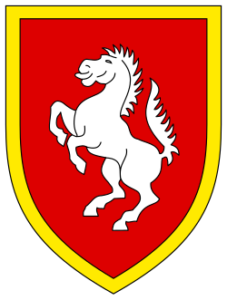 from 1971 to 1974. At the end of his career, he worked at the Army Office in Cologne as an infantry inspector. On 30-10-1980, Günther retired with the high rank of Oberst (colonel).
On 01-04-1956, Viezenz joined the Bundeswehr. From 1971 to 1974, he served as the Deputy Commander of the 21st Tank Brigade as a Colonel. As the successor of Brigadier General Werner Krieger, 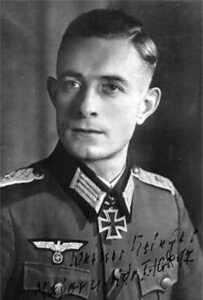 he became the Inspector of Infantry at the Army Office in Cologne on 01-10-1975, in the position of General of Infantry. On 30-10-1980, Günther retired with the high rank of Oberst (colonel) and remained in this role until 31-03-1981.
On 31-01-1980, Viezenz was awarded the Federal Cross of Merit 1st Class of the Federal Republic of Germany. He was also the editor-in-chief of the magazine Wehrausbildung.
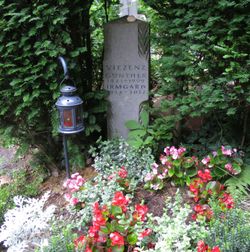
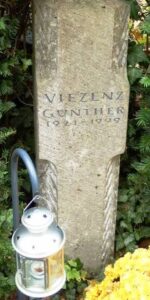
Death and burial group of Viezenz, Günther.
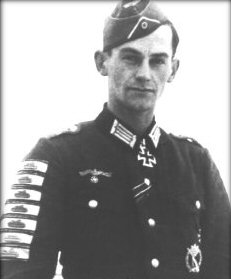
Viezenz, Günther, luckely survived the war and passed away age 78 on 14-01-1999 and is buried with his wife Irmgard Viezenz, who also died in 1999, age 97-98, at the Melaten Cemetery (Melaten Central Cemetery) in Cologne, Germany. Aachener Straße 204, 50931 Cologne (Lindenthal district).



Leave a Reply