


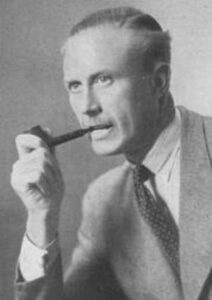
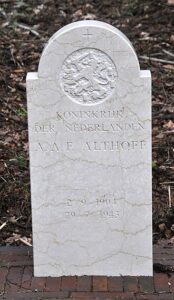
Althoff, Adrianus Aloijsius Felix “Lex”, born 19-09-1904 in Haarlem, 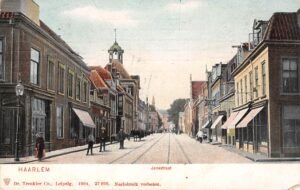 Netherlands, the son of Jan Althoff, merchant and Cornelia Petronella, born van Schie. Adrianus attended primary school and the HBS-A in Haarlem and married Elisabeth van Loenen on 02-02-1927. From this marriage, there were no children. He was raised Catholic, but at the age of 28, he put an end to it.
“Lex” closely followed the developments in Nazi Germany and wrote novels about them. He began his career as a journalist at Haarlem’s Dagblad 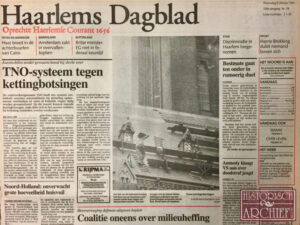 in 1924. After that, he started working for Het Volk
 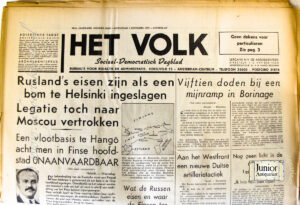 on 01-02-1932. He became the head of the night editorial team there. Because he did not want to work for a National Socialist newspaper, he resigned from Het Volk on 20-07-1940. Although raised in a Roman Catholic family, he joined Het Volk, the daily newspaper of the Social Democratic Workers’ Party (SDAP),
  on 01-02-1932, where he became the head of the night editorial team in Amsterdam.
In 1933, the rise to power of Adolf Hitler  made a great impression on him, and his aversion to the later developments in Germany inspired him to write two novels. His debut, A Train Departed (Amsterdam, 1939), earned him an honourable mention in the competition for the Kosmos Novel Prize. These and his next novel, A Hundred Suns in the Summer (Amsterdam, 1940), are set in Nazi Germany and in the milieu of the resistance that was slowly gaining momentum there. In the criticism, appreciation was expressed for the atmospheric depiction and character descriptions. His two novels were considered a promise for the future. Unfortunately, this wish would not be fulfilled. His literary production came to an end with this, except for two novellas written in captivity and published posthumously.
Althof joined the resistance and was a contributor to the illegal newspaper Het Parool 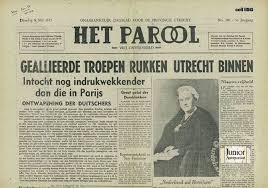 from the beginning. After a disagreement in the editorial team in March 1942, he stopped his collaboration.
When on 20-07-1940, in occupied Netherlands, the Arbeiderspers publications were placed under National Socialist supervision by Mr. M.M. Rost van Tonningen  in his role as ‘commissioner for the Marxist parties,’ he resigned from his position.
Althoff was to attempt to travel to London in early 1942 at the invitation of the government-in-exile as a replacement for Jacobus Jan “Koos” Vorrink 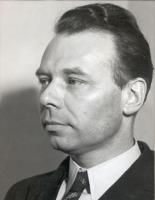 a Dutch politician. He was chairman of the Workers’ Youth Center (AJC),
 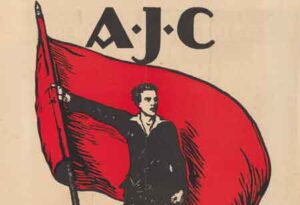 the SDAP, and the Labour Party. Vorrink survived the war and passed away in Amsterdam,19-07-1955, age 64
An attempt by Siebren Erik Hazelhoff Roelfzema 
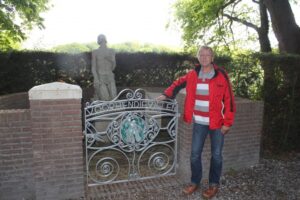 the Dutch England Channel Crosser, wartime RAF-pilot, Dutch spy and resistance man, writer and adjutant of the Dutch Queen Wilhelmina,
 on 11-05-1942, to pick him up with a motorboat failed. On 22-05-1942, he was arrested in Rotterdam along with Ernst Willem de Jonge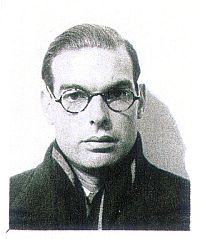
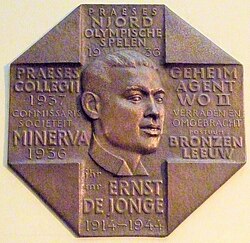 and Leen Pot. A remarkable resistance fighter, who passed away at the age of 91 in Wassenaar, is Leen Pot.
Ernst Willem de Jonge was a resistance fighter and Olympic rower. Ernst was a member of the England-Going Movement during the war and active in the resistance group Groep Kees.
On 22-05-1942, De Jonge, Pot, and Lex Althoff were arrested in Van Driel van Wageningen’s 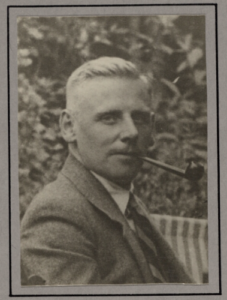 Rotterdam home. De Jonge was taken to Kamp Haaren, from there he was transferred to Assen and later with a group of 52 to a concentration camp in Rawitsch (now Rawicz). Of that group, 47 were sent to Mauthausen. Ernst de Jonge remained in Rawitsch and died there in September 1944. There is no known grave.
Camp Haaren was during World War II a notorious hostage camp and detention center of the German Sicherheitsdienst (SD),  located in the Grand Seminary Haarendael.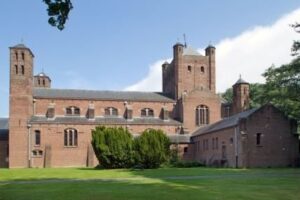
Lex Althoff was interrogated at the Binnenhof in The Hague, but managed to escape from the car during the ride to the prison in Scheveningen. Later, however, he was arrested again. Lex Althoff spent a year in prisons in Scheveningen, Haaren, and Utrecht. In prison, he occupied himself with writing, including his diary.
Death and burial ground of Althoff, Adrianus Aloijsius Felix “Lex”.
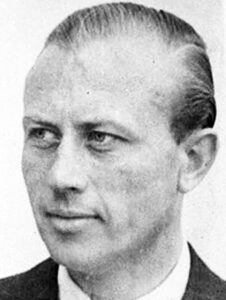
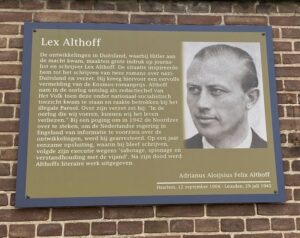
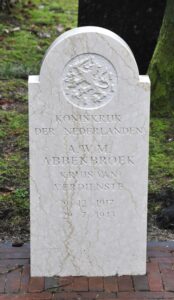
On 27-04-1943, Lex was sentenced to death and on 29-07-1943, age 38, he was executed by a German fire squad, along with his group at Leusderheide. His body was buried namelessly in a pit.The group further consisted of the following resistance fighters: Anton Abbenbroek, 
 Christiaan Frederik van den Berg,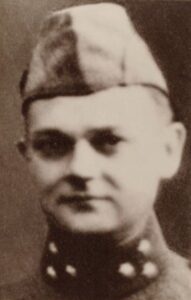
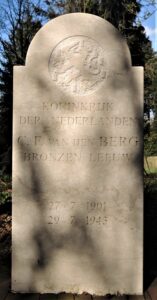 Willem Theodoor Cornelis Pim” van Doorn,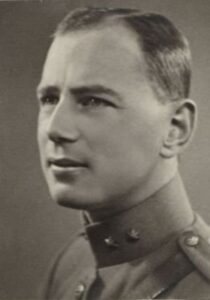
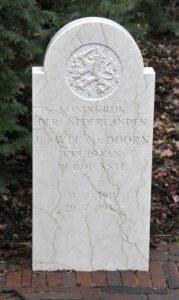 Fritjof Dudok van Heel,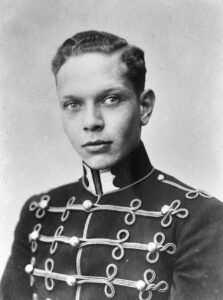
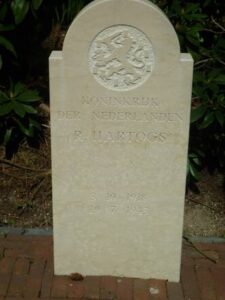
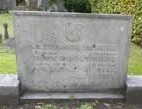 Rudolf Hartogs,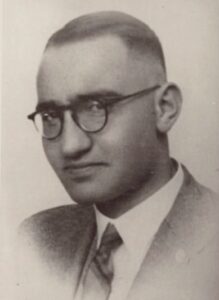
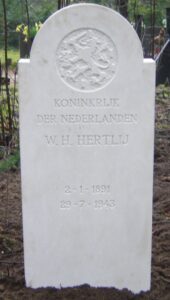
 Willem Hendrik Hertlij,
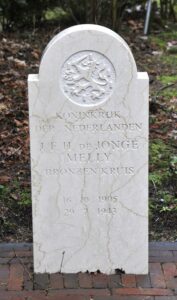
  Johan Frederik Henri de Jonge Melly,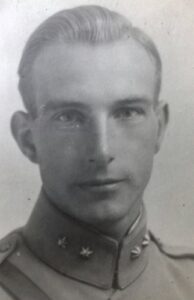
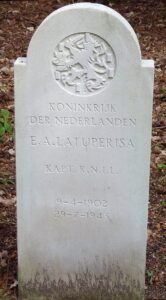
 Eduard Alexander Latuperisa,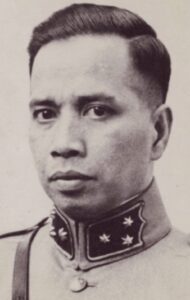
 Adriën Lambert Jacques Emile Marie Moonen,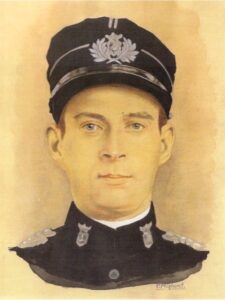
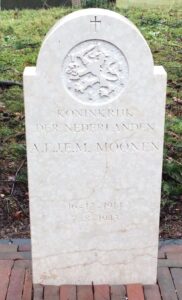 Willem Mulder,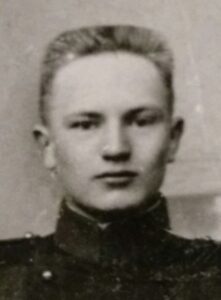
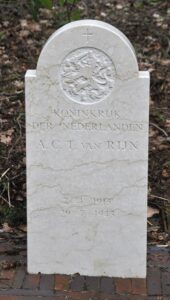
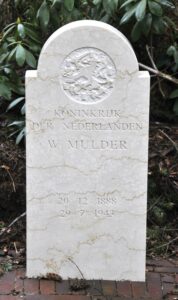 Antonius Cornelis Theodorus van Rijn,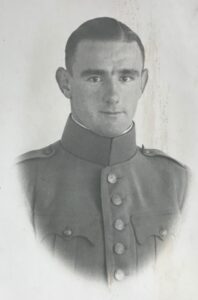
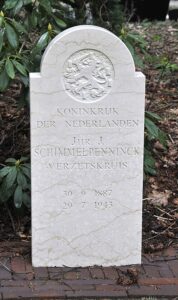
 Johan alias “Uncle Alexander,” Schimmelpenninck,
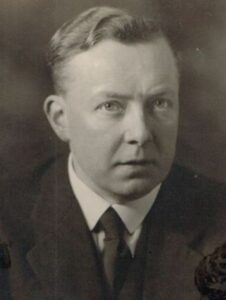
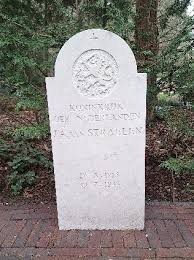
 Johan van Straelen,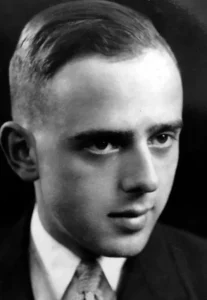
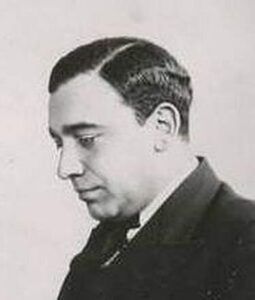
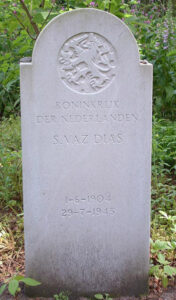
 Sieg Vaz “Sieg” Dias,
 Gerardus Joannes Franciscus “Gerhard” Vinkesteijn, and Abraham “Bob” Wijnberg.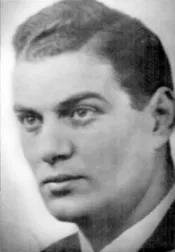
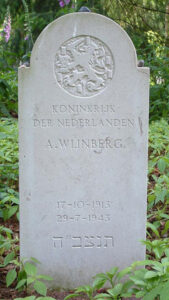
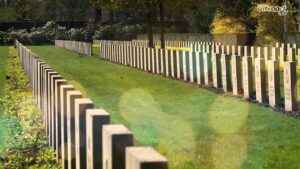
Althoff and his comrads were reburied on 21-11-1945, at the Rusthof cemetery in Leusden. At Dodeweg 31, 3832 RE Leusden, Netherlands. Grave 452.


Leave a Reply