


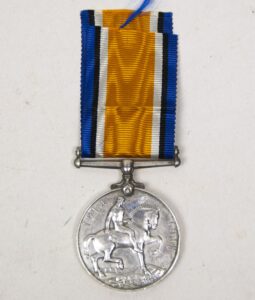

Silvertop, David Arthur Henry, born, 10-01-1912 in Southsea/Hampshire,  United Kingdom, comes from a large Catholic family of Commander Arthur Edward Silvertop (1877–1916),
 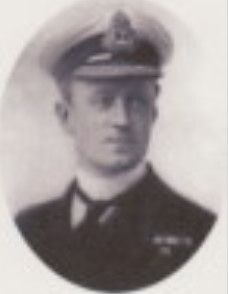 from the county of Northumberland. In 1922, when David was 10 years old, he went to Ampleforth College in Yorkshire.
 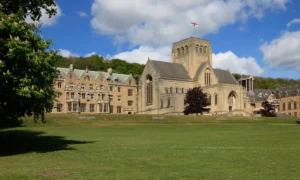 In 1930 he graduated from the Magdalen College of the University of Oxford. If you spend a year in Oxford, you will never be able to get there: you can go to a military career.
After completing his training, he actually enlisted in the army and subsequently served in the 9th/14th Lancers 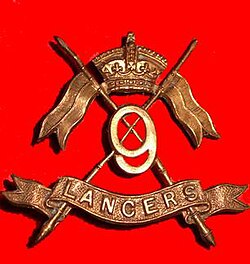 and the 14th/20th King’s Hussars.
  under command of Generaal Sir George de Symons Barrow
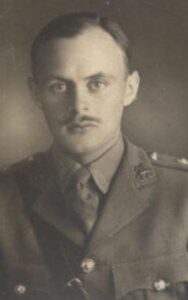
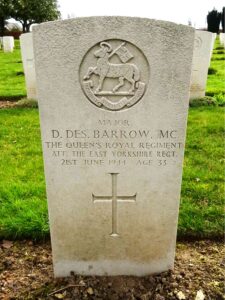 Barrow, after landing in France on D-Day, the 6th June 1944, was fighting in Normandy when he was wounded in action. He died of his wounds on the 21-06-1944, age 33.
Barrow served in Egypt and India during these years.On 01-09-1939, when Germany invaded Poland and World War II began, David was on holiday in England. On 12-09-1939 he was assigned to the 417th King’s Dragoon Guards. 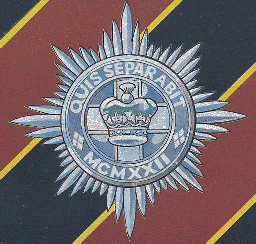 under command of Lieutenant-General Sir Adrian Paul Ghislane Carton de Wiart (1940–1948).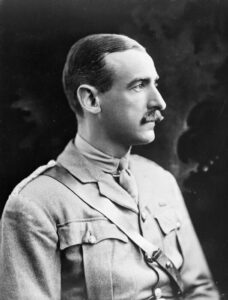

In November 1940, Silvertop was sent to the Middle East, by which time he had become a captain. There he took part in General Wavell, Archibald Percival, 1st Earl Wavell‘s 
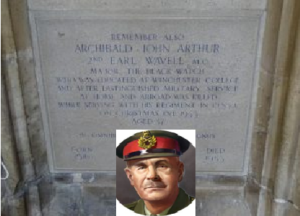 offensive against the city of Benghazi, among other things. Silvertop was sent to Haifa for a training course for members of the general staff. Silvertop was a good student and was promoted to Major. He fought in the battle against German General Edwin Johannes Eugen Rommel
 and his Afrika Korps
  during the First and Second Battles of El Alamein. Silvertop distinguished himself for his bravery and received the Military Cross.
 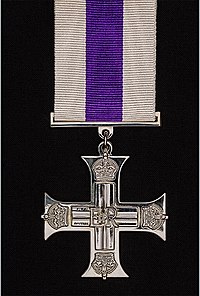 In February 1943, he was promoted to Lieutenant Colonel and given command of the 3rd Battalion Royal Tank Regiment (3RTR).
 In March 1943, he distinguished himself again during the Battle of Medenine in Tunisia, but was wounded during this battle.
 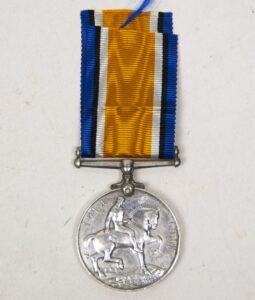 He spent three months in hospital.In December 1943, David and the 3RTR returned to England and became part of the 11th British Armoured Division.
  Major General Philip Bradley “Pip” Roberts
  became commander of this Armored Division, and Brigadier Charles “Roscoe” Harvey
 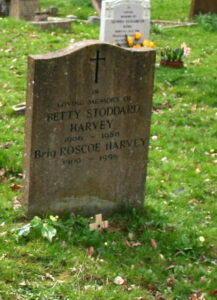 was given command of the 29th Brigade,
  of which 3RTR was now a part. A long period of intensive training then began in preparation for D-Day, a crucial project that was still top secret at the time. During an inspection, David was given the honor of receiving (then still) Crown Princess Elizabeth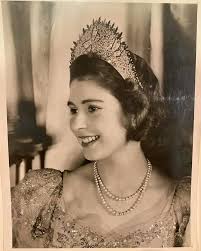
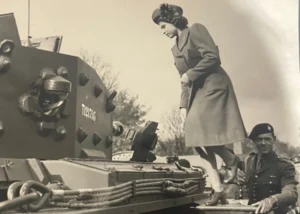 in his tank.
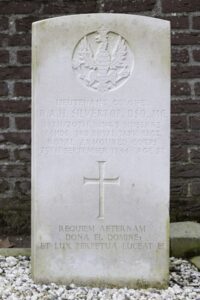
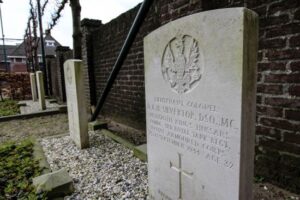
Death and buriual ground of Silvertop, David Arthur Henry.

On June 13 and 14, 1944, exactly one week after D-Day, David and his tank division crossed the Channel to the beaches of Normandy between Bernières-sur-Mer and Corseulles-sur-Mer. For his role and courage in Operation Goodwood, the capture of the final section of Caen (July 18–20, 1944), Silvertop was recommended for the Distinguished Service Order (DSO),  the British military decoration awarded to the rank of Major and above for meritorious and distinguished conduct in wartime. Together with Lieutenant Colonel Hubert Gerald Orr,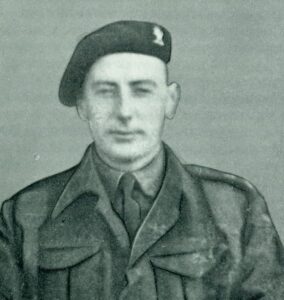
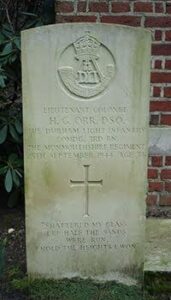
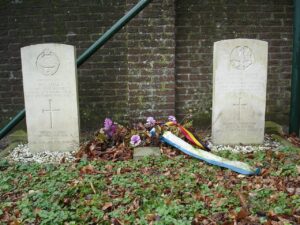 he was fatally hit by bullets from fleeing Germans on 25-09-1944, during the liberation of Sint Anthonis at the corner of Lepelstraat and Perdshemel.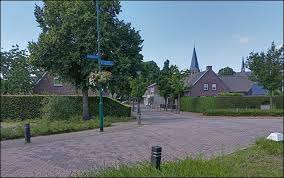
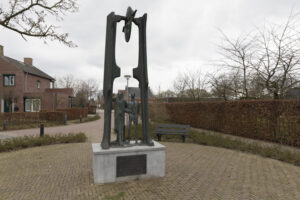 At that moment, Silvertop, along with three other British soldiers, was hunched over a military map that lay on the hood of an army car.
David Arthur Henry Silvertop is buried at the Commonwealth War Graves Cemetery Sint AnthonisGrave: 4. Breestraat, Sint Anthonis, Netherlands.




Leave a Reply