





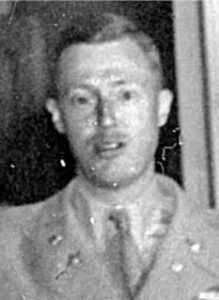
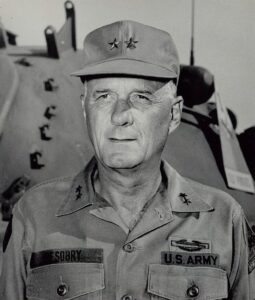
Desobry, William Robertson, “Bill” “Des” born on 11-09-1918, in Manilla 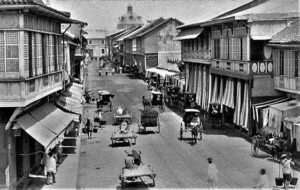 in the Philippines. “Bill” the son of Colonel Elmer Cuthbert Desobry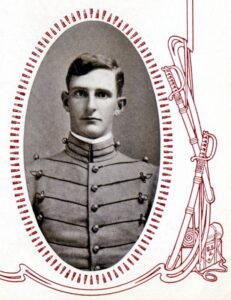
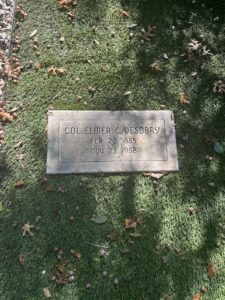 and Emily Dorsey Desobry. “Bill” attended high schools in Chicago, Illinois, and Honolulu, Hawaii–graduating from Punahou Academy in 1936. William had graduated in 1941 with an ROTC (Reserve Officers’ Training Corps)
  commission. Although he had only been in the Army four years, he had deployed overseas as commander of the 20th Armored Infantry Battalion
 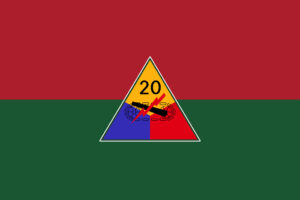 because of his natural leadership skills. He was in charge of 325 soldiers and fifteen tanks in a mixed task force generally known as ‘Team Desobry. General Desobry’s service during World War II included a tour of duty with the 29th Infantry Regiment at Fort Benning, Georgia and the 10th Armored Division
 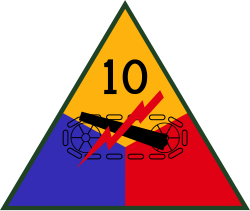 in CONUS, and the European Theater of Operations.
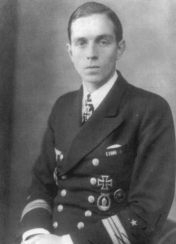
The cost of holding Noville had been heavy. Half of Team Desobry’s 400 soldiers had been killed, wounded, or captured in two days of combat. It had lost four tank destroyers and 11 of its 15 tanks. James Louis LaPrade’s 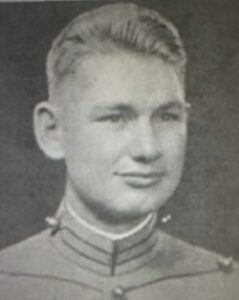
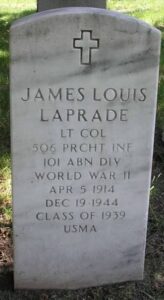 1st Battalion was also cut in half. Of the 473 paratroopers that rushed into Noville, 212 had been killed, wounded, or were missing. The battalion went into reserve for the next month. James LaPrade was KIA in his Command Post in Noville, Belgium by German artillery fire on 19-12-1944, age 30.
But the Americans took a disproportionate toll on their enemy. They destroyed at least 30 German tanks and inflicted some 600 to 800 enemy casualties.
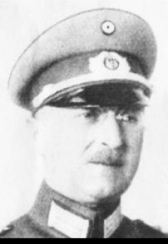
The Americans had scored victories in three directions. First, by putting up such a tough fight, Major General Meinrad von Lauchert’s 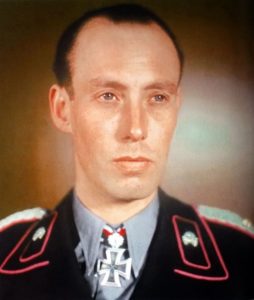
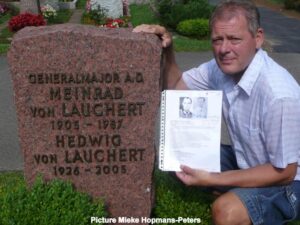 superiors refused to let his 2nd Panzer Division
  attack Bastogne once he captured Noville.
Second, the tankers and paratroopers also gave the rest of the 101st Airborne  uner command of General Major Maxwell Davenport Taylor
 precious time to deploy around Bastogne’s perimeter. Finally, by holding Noville for as long as they did, the Americans delayed the 2nd Panzer from attacking westward to Antwerp by at least 48 hours, giving the rest of the Western Allies time to race reinforcements to block the German attack.
The hard-fought battle was a solid American victory, but it may not have happened if 26-year-old then Major William Desobry, 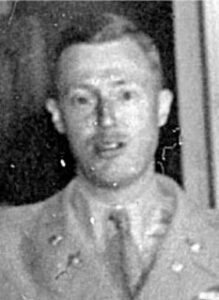 who wanted to withdraw from Noville, had not picked up a phone and waited for his commanding officer to give him options. He commanded an armored infantry battalion task force during the defense of Bastogne, and was wounded and hospitalized by the Germans at Ibbenbueren, Germany.
Militair historicus John Coney McManus described Desobry:
“Rail-thin at six-feet-four and one-hundred-sixty pounds, he was the son of a career soldier. He qualified as something of a family rebel because he had elected to go to Georgetown University instead of West Point. He had graduated in 1941 with an ROTC (Reserve Officers’ Training Corps) commission. Although he had been in the Army only four years, he had deployed overseas as commander of the 20th Armored Infantry Battalion because of his natural leadership skills. His subsequent performance in combat only enhanced his fine reputation. Now he found himself in charge of 325 soldiers and fifteen tanks in a mixed task force generally known as ‘Team Desobry.'”
He commanded an armored infantry battalion task force during the defense of Bastogne, Battle of the Bulge 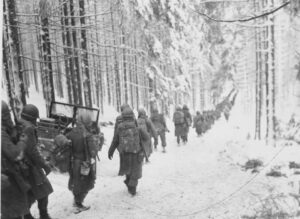 and was wounded
  and hospitalized by the Germans at Ibbenburen, Germany. He was liberated in the spring of 1945 after imprisonment at Falingbostel, Stalag XI-B
  Germany, a branch of the Belsen prison camp, and at Brunswick, Germany. Charles MacDonald, noted Army historian and Battle of the Bulge veteran, described then Major Desobry’s heroic actions in his 1997 book, A Time for Trumpets. It is arguably the definitive account of this dramatic victory and displays the actions of Desobry and his armored-infantrymen, often in close combat and at times in hand-to-hand combat.The road between Noville and Bourcy, which Team Desobry held briefly during the defense of Bastogne, was renamed Rue de Général Desobry
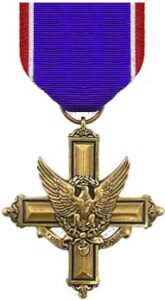
 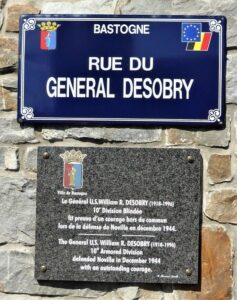 in his honor.General Desobry continued his service in the Post-war, Vietnam war and Cold war. He continued to support the Armor community after his retirement from Army. As a result, he received the U.S. Cavalry
 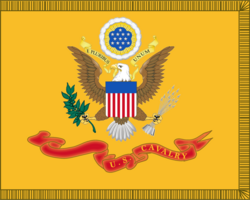 and Armor Association’s Gold Medallion Winners Hall of Fame in 1989. General Desobry also gained an Army Distinguished Service Medal
 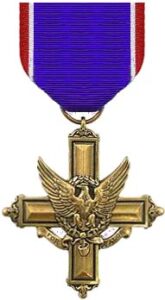 in February 1968.
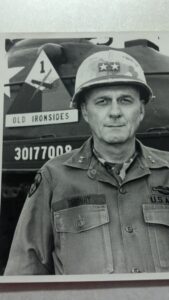
Desobry turned over command of V Corps to Lieutenant General Robert Leahy Fair 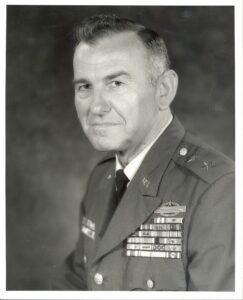
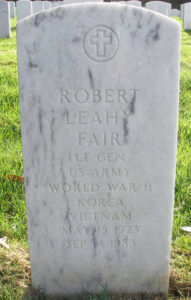 on 24-08-1975.
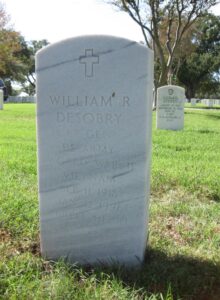
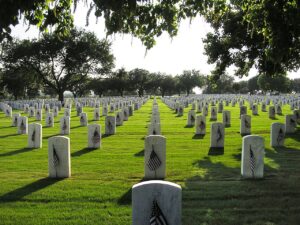
Death and burial ground of Desobry, William Robertson “Bill” “Des”.
General Desobry was married to the former Jacqueline Keyes of San Antonio, Texas, on 22-08-1942. They had six children. Mrs. Desobry died in San Antonio on 10-09-2011.
Desobry, William Robertson died on 12-01-1996, age 77, in San Antonio, Texas and is buried at the Fort Sam Houston National Cemetery in Texas. Section PG, Site 95. 1520 Harry Wurzbach Road, San Antonio, TX 78209, United States.




Leave a Reply