

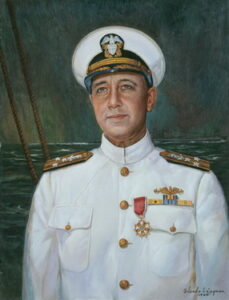
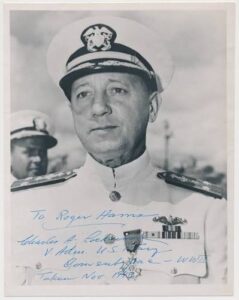
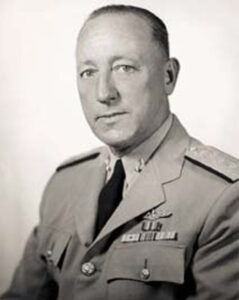
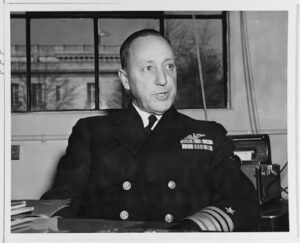
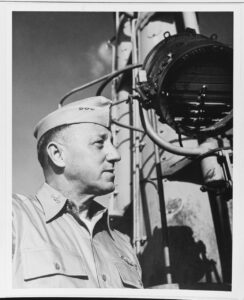
Lockwood, Charles Andrews, nickname, “Uncle Charlie”, born in Midland, Virginia, 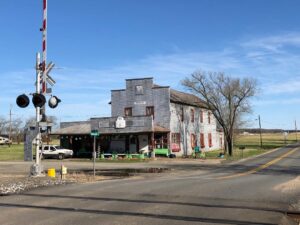 on 06-05-1890, the son of Charles Andrews Lockwood Sr. (1861-1930)
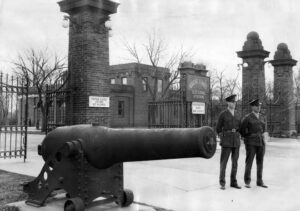
 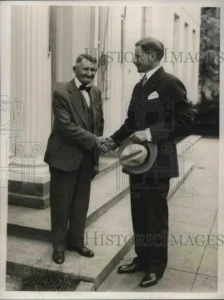 and Flora, born Campbell, (1858-1947). Charles graduated from Lamar High School (Missouri) in 1905, then graduated from the United States Naval Academy in the class of 1912. Following brief cruises aboard the battleships USS Mississippi and Arkansas, and a short tour as instructor in the Naval Training Station, Great Lakes,
  in September 1914 he reported to the tender USS Mohican for indoctrination in submarines.
In June 1939, he became Chief of Staff to the Commander Submarine Force, U.S. Fleet, on the light cruiser USS Richmond. 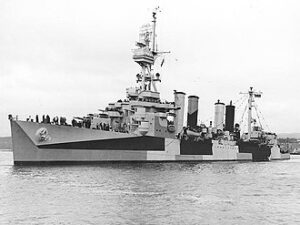 This important service was interrupted in February 1941 when he was sent to London as naval attaché and principal observer for submarines.
Following promotion to rear admiral in May 1942, he arrived in Perth, Western Australia as Commander, Submarines, Southwest Pacific. Lockwood also acted as Commander Allied Naval Forces, Western Australia, until July 1942, overseeing the major bases at Fremantle and Exmouth, amongst others.
In February 1943, following the death of the COMSUBPAC, Rear Admiral Robert Henry English, 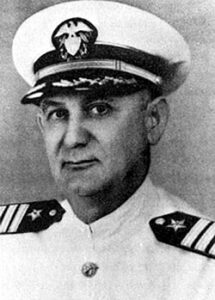 who was killed, age 55, in a plane crash in California, of Pan American Flight 1104 into a mountain about 7 miles (11 km) southwest of Ukiah in Mendocino County, California, on 21-01-1943.
Lockwood was transferred to Pearl Harbor to become Commander, Submarines, Pacific Fleet (COMSUBPAC), in which capacity he served the rest of the war, being promoted to Vice Admiral in October 1943. Lockwood’s strong leadership and devotion to his sailors won him the nickname “Uncle Charlie”. Submarine patrols were long voyages and many times the crew finished up on “iron rations” of poor food as their food supplies ran out, so Lockwood made great strides in providing for rest and recuperation (R & R) for his sailors when they returned to port, such as two-week stays at the Royal Hawaiian Hotel, and crates of ice cream and leafy vegetables to greet returning submarine crews.
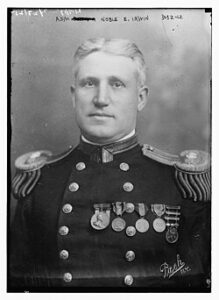
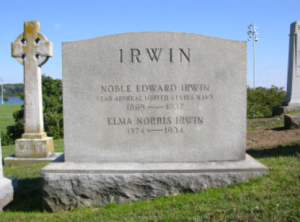
His wife, Phyllis Natalie Irwin, was a daughter of Rear Admiral Noble Edward Irwin (29-09-1869 – 10-08-1937
Lockwood oversaw the introduction into the Pacific Fleet of several hundred newly constructed fleet submarines from American shipyards, and the manning of them with newly trained officers and men. Older boats, like the S-class, were removed from combat and sent back to the U.S. for use in training or to be scrapped.
He oversaw the moving forward of the Pacific Fleet  submarine bases from Pearl Harbor, Hawaii, and Australia to places like Saipan – where a submarine tender was stationed for a period of time – Guam, the Admiralty Islands, and Subic Bay in the Philippines. This reduced the very long ocean voyages for American submarines, and steadily tightened the noose on Imperial Japanese supply lines, especially in the East China Sea and the South China Sea.
Importantly, Lockwood cleaned out the “dead wood”, replacing timid and unproductive submarine skippers with (often) younger and more aggressive officers. During the early stages of the Pacific War, U.S. skippers were relatively complacent and docile, compared to their German counterparts who understood the “life and death” urgency in the Atlantic. There was plenty of room for error and cautious judgment since the Japanese did not take the U.S. submarine threat seriously.
Lockwood pushed the Navy’s Bureau of Ships and Bureau of Ordnance to provide his men with the most effective submarines and torpedoes possible. He oversaw the tests that proved the unreliability of U.S. torpedoes, which at the time were often running too deep or failing to detonate, and prompted the improvements that made them the highly effective weapons they became in 1944 and 1945. In fighting for better torpedoes, Lockwood had to fight the Mark 14 torpedo and Mark 6 exploder supporter Rear Admiral Ralph Waldo Christie, 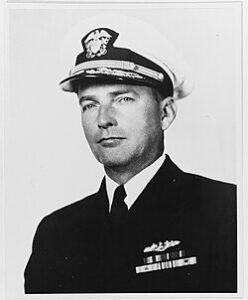
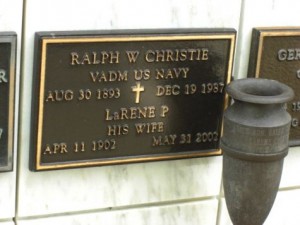 who had been involved in the development of these weapon systems in the 1920s and 1930s, and who was convinced that their reported problems were caused by poor maintenance and errors on the part of the captain and crew. During a tense Washington conference with fellow admirals in early 1943, he demanded that, “If the Bureau of Ordnance can’t provide us with torpedoes that will hit and explode, or with a gun larger than a peashooter, then for God’s sake get the Bureau of Ships to design a boathook with which we can rip the plates off the target’s sides.”
In 1942 and early 1943, U.S. submarines proved little threat to Japanese warships and merchant ships alike. As a result of Lockwood’s initiatives, the “silent service” suddenly began racking up many kills, including key enemy warships. Most importantly, U.S. submarines were responsible for severing Japan’s shipping routes to their colonies in Southeast Asia, by sinking close to half of their merchant ships. The Imperial Japanese Navy was caught off guard and never recovered.
Lockwood’s wartime awards were the Navy Distinguished Service Medal 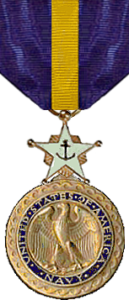 three times, and the Legion of Merit
  award.
After the war, Lockwood served as the Naval Inspector General until his retirement in June 1947. t.
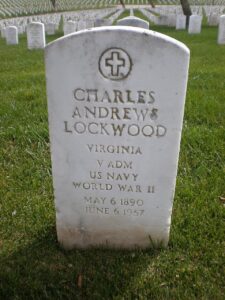
Death and burial ground of Lockwood, Charles Andrews, nickname, “Uncle Charlie”.
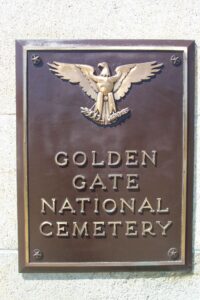
Lockwood “Uncle Charlie” passed away on 06-06-1967, age 77, and is buried at Golden Gate National Cemetery in San Bruno, California, Section C Row C-1 Site 5, alongside his wife and Admirals Chester William Nimitz, 
 Raymond Ames Spruance,
 and Richmond Kelly Turner “Terrible”,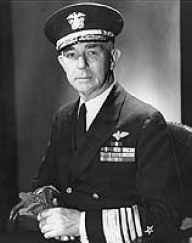
 an arrangement made by all of them while living.
Message(s), tips or interesting graves for the webmaster: robhopmans@outlook.com


Leave a Reply