

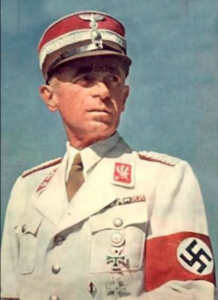
Tschammer und Osten, Hans von, born 25-10-1887 in Dresden, 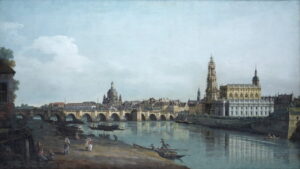 to the Royal Saxon Lieutenant Colonel Hans von Tschammer und Osten (1856–1922) and Betty, born von Metsch (1861–1903), daughter of the estate owner and lawyer Emil von Metsch and his wife Ida Clara Sophie Freiin von Kotzau. He himself attended the cadet corps in Dresden and served as an officer in the First World War. He was wounded in 1914
 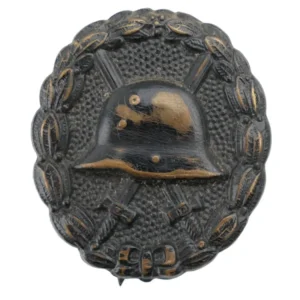 and has since suffered from paralysis of the right hand. He left the military service as a captain. After the war, he became a manor owner in the Upper Lusatian town of Kleindehsa by marrying Sophie Margarethe von Zimmermann, born von Carlowitz-Kleindehsa (1892–1972). The couple von Tschammer und Osten had a daughter, Felicitas, who was in her third marriage with Major Walter von Wietersheim,
 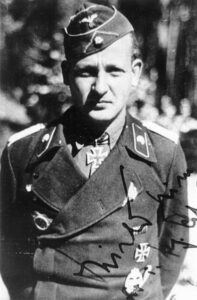 and a son, Curt-Dietrich, who started a family in 1950 with Iris von Möller. Walter passed away 19-09-1975 (aged 75) in Bad Honnef-Aegidienberg, West Germany.
Major General Eckart von Tschammer und Osten was his next older brother. In early September 1944, Eckart was reported missing, but by that time he had already been taken prisoner by the Romanians. He was subsequently transferred to the Soviet Union, where, like many other Wehrmacht officers, he was charged with the murder of civilians (the Kiev Trial). Eckart von Tschammer und Osten was publicly hanged on 29-01-1946, age 60, along with 11 others sentenced to death, including Lieutenant General Karl Burckhardt and SS-Gruppenführer and Lieutenant General of the Police Paul Scheer, 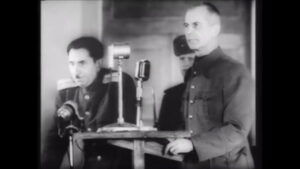 in front of an estimated 200,000 people on Kalinin Square in Kiev.
From 1923 to 1926, Tschammer was the leader of the Young German Order in Saxony. 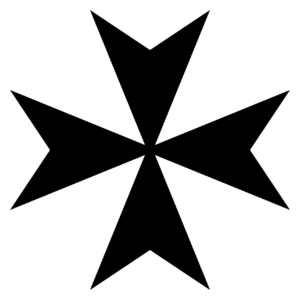 In 1929, he joined the NSDAP
  and became a member of the SA
  . In March 1932, he took over as the leader of the SA Group Mitte as an SA group leader. After the Reichstag election in July 1932, von Tschammer und Osten was a member of the German Reichstag, but primarily appeared as an SA leader and was involved, among other things, in the Eisleben Blood Sunday.
Arrest of approx. 20 KPD members in September 1933. The KPD  (Communist Party of Germany) was a German communist party, founded on 31-12-1918, from the Spartacus League. In the last elections of the Weimar Republic on 05-03-1933, the KPD still got 12.3% of the votes, good for 81 seats. Even before the first (constitutive) session of the Reichstag, the 81 seats of the KPD were annulled. Abuse of those arrested with shoulder straps and in their cells. Participation in “Bloody Sunday” in Eisleben on 12-02-1933, with an attack on the class struggle building and the gymnasium of the workers’ sports club by approximately 600 SA and SS members against 30 communists. Abuse of a communist by beating him with a field spade until he lost consciousness. Three victims died as a result of the abuse, 24 were taken to hospital with serious injuries. Abuse of Willi E., Ernst M. and Erich D. in prison cells. The app shows a greatly abridged version. The complete data entry is much more extensive and contains further details. We will provide additional information on request.
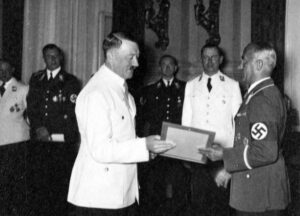
After the National Socialists came to power in 1933, all social organizations, including sports associations, were subordinated to and aligned with National Socialist ideology. Von Tschammer und Osten was appointed Reich Sports Commissioner 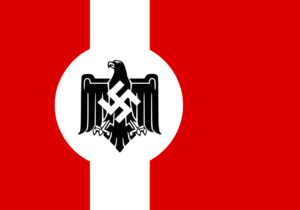 on 28-04-1933, and Reich Sports Leader on 19-07-1933. On 05-03-1933, the German Reich Committee for Physical Exercise (DRA), which had existed since 1917, unlawfully dissolved itself and was replaced on 27-07-1934, by the Reich Federation for Physical Exercise (DRL),
 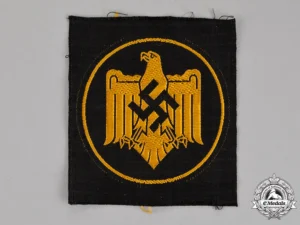 which was organized according to the Führer principle and divided into specialized committees for individual sports. Its leadership was taken over by von Tschammer und Osten, who was inexperienced in the field of sports. In 1934, he became a member of the German Olympic Committee
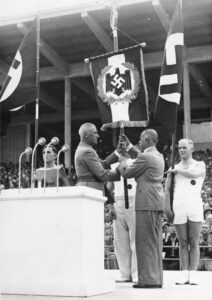
  and took charge of the ideological preparation for the 1936 Olympic Games in Berlin. His adjutant at that time was the SS leader Ludolf Jakob von Alvensleben, on the left.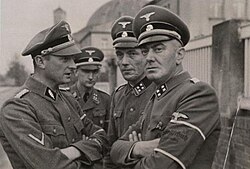
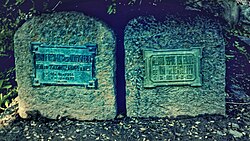
From 1933 until at least 1938, Hans von Tschammer und Osten served on the executive board of the German Nobility Association, which was soon brought into line with Nazi policies. Due to his membership in the NSDAP, he was forced to resign from the Order of St. John 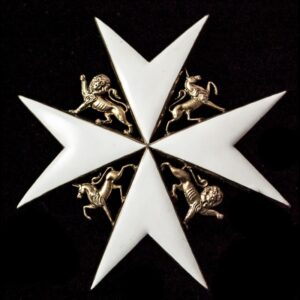 in November 1938. He had been a member of the Order since 1921 as an honorary knight[8], organized within the Saxony chapter. This decision affected approximately ten percent of the Order’s members, including his colleague at the time, Alexander von Humboldt.
In 1938, Hans was appointed State Secretary in the Reich Ministry of the Interior and promoted to SA Obergruppenführer 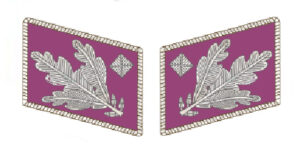 . Within the SA High Command (Hauptamt), he took over as head of the Combat Games Department in 1939 and became head of the Sports Section within the National Socialist recreational organization Kraft durch Freude.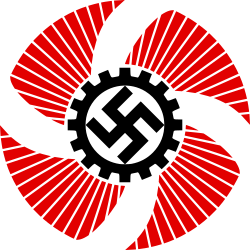
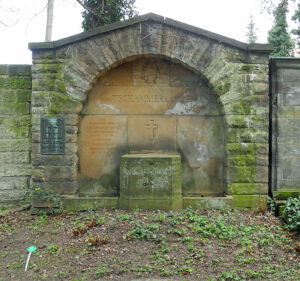
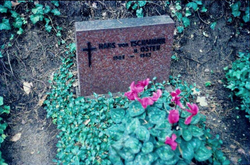
Death and burial ground of Tschammer und Osten, Hans von.
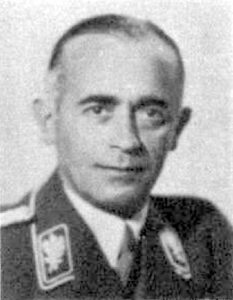
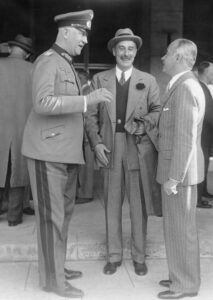 Von Tschammer und Osten (right) with British Ambassador Nevile Henderson (center) and Friedrich Fromm (left) (1938)
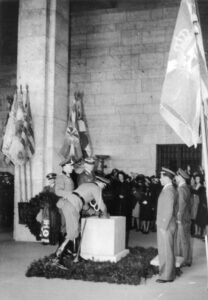
On 25-03-1943, Hans von Tschammer und Osten, who had already been in Hohenlychen for a health cure in 1936, died 25-03-1943, age 55, as a result of pneumonia, in Berlin, Germany. Hans von Tschammer und Osten, is buried at the Forest Cemetery Dresden-Weißer Hirsch
.
Message(s), tips or interesting graves for the webmaster: robhopmans@outlook.com


Leave a Reply