


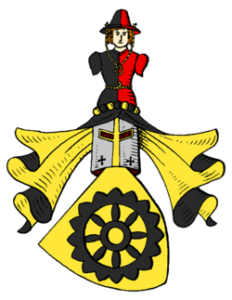
Plettenberg, Kurt Eugen Gustav Adolf Freiherr von, born 31-01-1891 in Bückeburg, 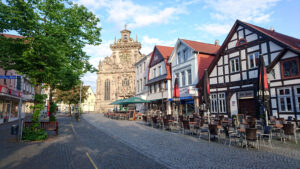 Germany, came from the Westphalian ancient noble family of Plettenberg
 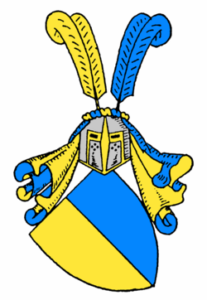 from the Sauerland region. An ancestor was first mentioned in the 11th century. His father, Karl Freiherr von Plettenberg, Generaladjutant Kaiser Wilhelms II, here with emperor Wilhelm II
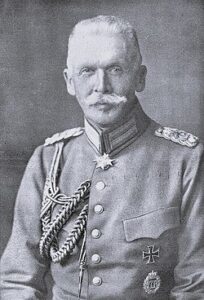
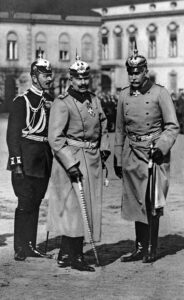 was an officer, most recently a General of the Infantry, Commanding General of the Guard Corps, and Adjutant General to Kaiser Wilhelm II. Kurt was forced to resign at the end of 1916 following criticism of the conduct of the war by Erich Friedrich Wilhelm Ludendorff
 and Paul Ludwig Hans Anton von Beneckendorff von Hindenburg
 during World War I. His mother was Clara Countess of Wedel,
  daughter of Wilhelm Count of Wedel and his wife Luise, born Baroness von Bodelschwingh-Plettenberg.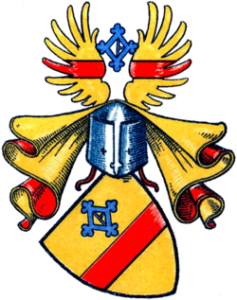
On 05-09-1934, Plettenberg married Arianne Freiin von Maltzahn (1914–1974) in Schossow, a daughter of Helmuth Freiherr von Maltzahn. 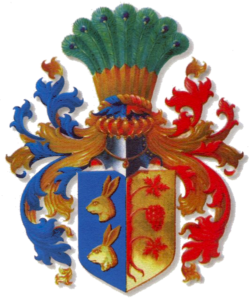 From this marriage came three children: Christa-Erika (1936–1989), Karl-Wilhelm (1938–2024), and Dorothea-Marion (* 1943).
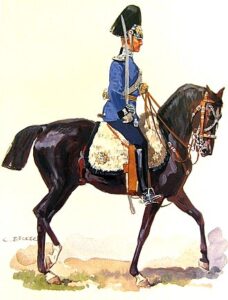
Kurt studied law and forestry at the universities of Kiel, Lausanne, 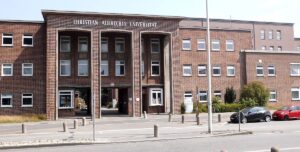 where he joined the student fraternity Germania Lausanne, Berlin, Munich, and Eberswalde. This was followed by a forestry apprenticeship and compulsory military service with the 2nd Grand Ducal Mecklenburg Dragoons Regiment No. 18
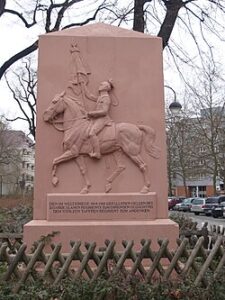
  in Parchim. From 1912 to 1914, Plettenberg completed his studies by attending the Forestry Academy in Hannoversch Münden and served in the Mounted Jäger Corps. He was a master of his weight class in boxing in the German Army. In World War I, he fought as a reserve lieutenant in the 2nd Guards Uhlan Regiment
  from 1914, as an MG officer in the MG company of Infantry Regiment No. 408 from 1917, and as an MG officer on the staff of the 1st Guards Foot Regiment from 1918.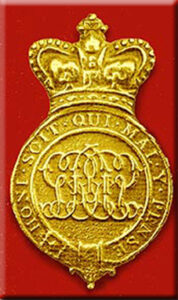
After becoming a forestry assessor after the Great State Forestry Examination, Plettenberg was initially the head of the timber trade department of the government in Stralsund and eventually went to East Prussia. There he worked as the administrator of the Dönhoff estates in Friedrichstein near Königsberg until he succeeded Count Albrecht Friedrich von der Schulenburg-Lieberose 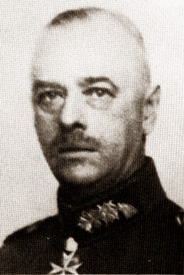 in the forestry department of the Chamber of Agriculture of the Province of Brandenburg, from where he moved to the forestry department of the Prussian Chamber of Agriculture in 1930. In 1932, Plettenberg sold the last remaining land of the former Stockum manor, which the family had been enfeoffed with on 16-04-1494. The money was invested in a silver fox farm in East Prussia, which soon went bankrupt. Since 1934, he was the head of household affairs in the Reich Ministry of Food and Agriculture. In the same year, General Forest Master Walter von Keudell
 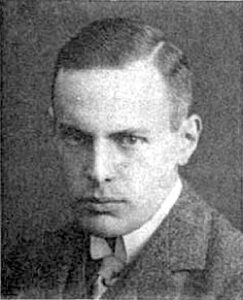 appointed him to the Reich Forestry Office, where Plettenberg was made a Land Forest Master on 02-10-1934, and later a Senior Land Forest Master. When Keudell was replaced as head of the Reich Forestry Office in 1937, Reich Forestry Master Hermann Göring
 is said to have tried to recruit Plettenberg as his successor. However, he also resigned of his own accord, along with Keudell, because his political views contradicted those of National Socialism and he knew the goals of the Nazi regime. On 01-11-1937, Plettenberg accepted an offer from Prince Wolrad of Schaumburg-Lippe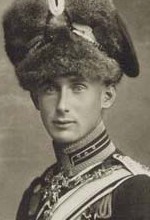
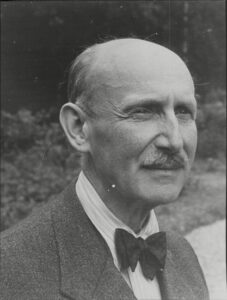 to return to his birthplace of Bückeburg as President of the Court Chamber and General Representative for the overall asset management of the former princely House of Schaumburg-Lippe.
In 1939, Plettenberg was drafted as a reserve officer into the 9th Potsdam Infantry Regiment,  which belonged to the 23rd Infantry Division,
  under command of General der Infanterie Walter Graf von Brockdorff-Ahlefeldt
 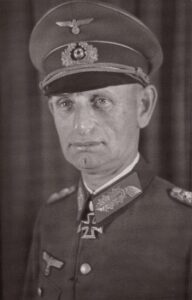 who passed away in a hospital on 09-05-1943 (age 55) in Berlin, Germany and as a reserve major, he was a battalion commander in the associated replacement regiment, with deployments in Poland, France, and the Soviet Union. At the end of 1941, he was granted leave to take over the position of head of the General Administration of the formerly ruling Prussian royal house, while retaining his previous role as president of the court chamber in Bückeburg. His official residence was the Dutch Palace in Berlin.
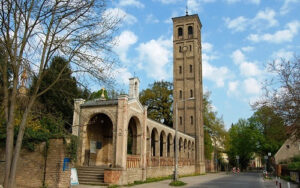
 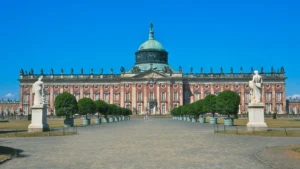 He thus represented two of Germany’s largest agricultural and forestry enterprises; 30 agricultural holdings, 14 forestry offices, and several sawmills were under his supervision. Additionally, there were investments in large-scale industrial companies and extensive real estate holdings. Plettenberg saved the Prussian royal crown and 15 snuff boxes belonging to Frederick the Great from looting and destruction by having them bricked up in the Evangelical Church in Kleinenbremen
 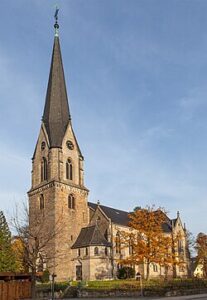 near Bückeburg.
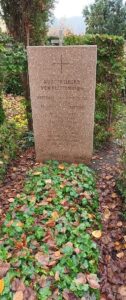
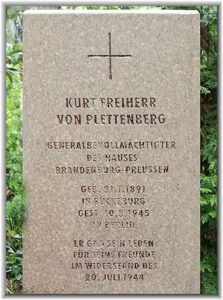
Death and burial ground of Plettenberg, Kurt Eugen Gustav Adolf Freiherr von.
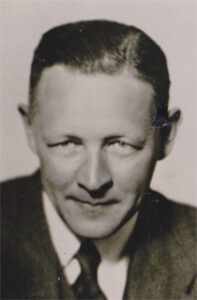
Schon 1942 bildete sich um Plettenberg ein Oppositionszirkel und forstliches Widerstandszentrum. Mit Rücksicht auf das Haus Hohenzollern blieb er allerdings im Hintergrund. Als enges Mitglied des Kreises der Verschwörer vom 20. Juli 1944 um Claus Philipp Maria Graf Schenk von Stauffenberg, 
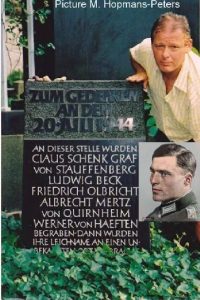 Ludwig August Theodor Beck,
 Christian August Ulrich von Hassell,


 Eduard Johannes Popitz,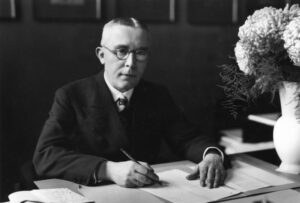
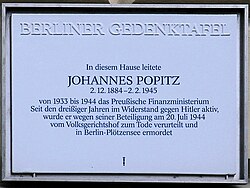 Carl-Hans Graf von Hardenberg, German officer, estate manager and local politician
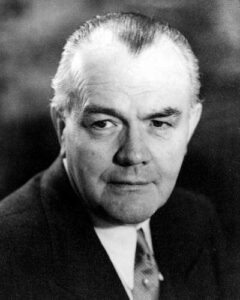
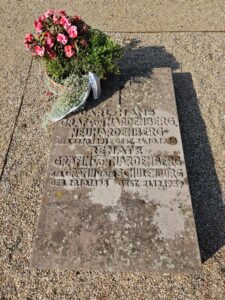 und Fabian Ludwig Georg Adolf Kurt von Schlabrendorff

 war Plettenberg an den Vorbereitungen für den Staatsstreich beteiligt. Nach dem Misslingen des Attentats auf Adolf Hitler wurde Plettenberg am 03-03-1945 vermutlich aufgrund einer Denunziation in Cecilienhof verhaftet und in das Berliner Hausgefängnis der Gestapo in die Prinz-Albrecht-Straße 8
 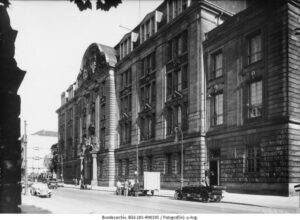 gebracht. Am 10-03-1945 schlug er auf dem Weg zum Verhör seine Bewacher nieder und stürzte sich aus einem Fenster im 4. Stock in den Tod, um die noch unerkannten Mitverschwörer nicht unter Folter preisgeben zu müssen.
Kurt von Plettenberg hinterließ seine Frau und die drei Kinder. Begraben wurde er am 18-03-1945 auf dem Bornstedter Friedhof in Potsdam. Das Grab ist erhalten. Sein Nachfolger als Leiter der Generalverwaltung des Hauses Hohenzollern wurde Louis Müldner von Mülnheim (1876–1945), 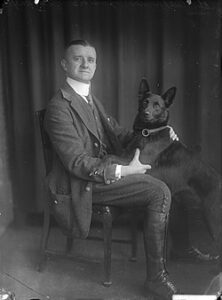 der ehemalige Adjutant des Kronprinzen.


Leave a Reply