



Fitzhugh, William Neal , born 18-02-1915, in Temple, Bell, 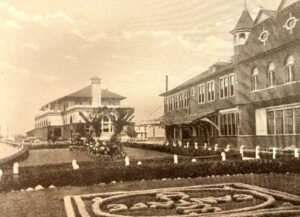 Texas, United States, to John Golden Fitzhugh (1877–1962)
 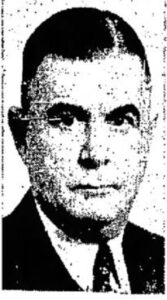 and his wife Mary Ella, born Meredith, Fitzhugh (1889–1970)
 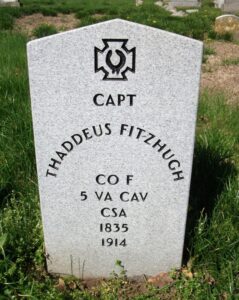 grew up in a family that moved several times during his youth. The Fitzhugh family initially lived in Mobile, Alabama, later relocated to Galveston, Texas, and eventually returned to Mobile, a city that would play an important role in Fitzhugh’s later wartime service. William was married with Mary Ella, born, Meredith Fitzhugh (1889-1970 (age 80)
 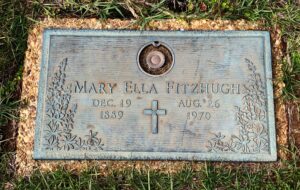 in Alabama, He, in 1944, married his second wife, the widow of the Dooliile hero, Hite, Robert Lowell “Bob”,
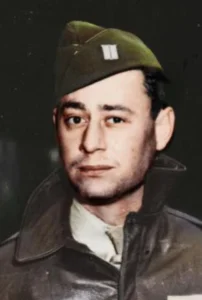
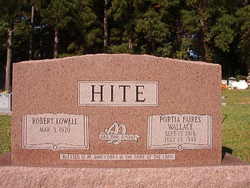
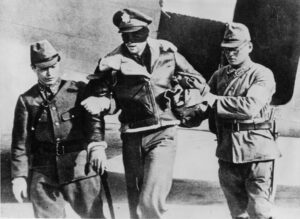 , Dorothy (“Dot”), born Pursley, Fitzhugh-Hite (1923-2012), and together they raised a family whose personal history remained closely intertwined with the legacy of the Doolittle Raid. They met each other at Brookley Field, Mobile. The couple had 3 sons.
In a poignant act of remembrance, William and Dot named their second son Dean, in honor of Dean Edward Hallmark, 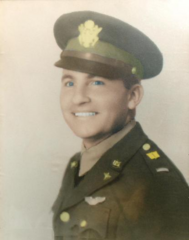
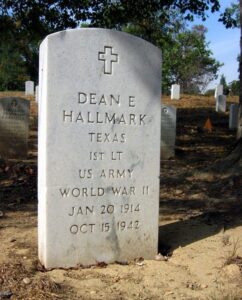 one of the three Doolittle Raiders captured by the Japanese and subsequently executed. Their youngest son, born in 1961, later became an Episcopal priest, reflecting the family’s strong moral and spiritual foundations.
William attended the Ball High School in Galveston, Texas. 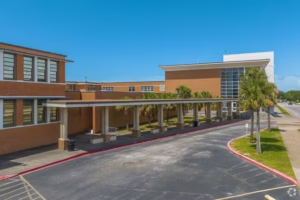 Later in 1938 graduated from University of Texas with Bachelor of Business Administration degree. Picture: Ball highschool during the years William attended the school.
During the World War II, Brookley Field in Mobile became the city’s largest employer, with approximately 17,000 highly skilled civilian workers engaged in precision work involving sensitive instruments and complex machinery. In 1944, the U.S. Army  recognized the strategic value of this workforce and selected Brookley Field as a key site for the highly classified “Ivory Soap” project, an effort designed to accelerate victory in the Pacific through advanced logistics and aircraft support.
 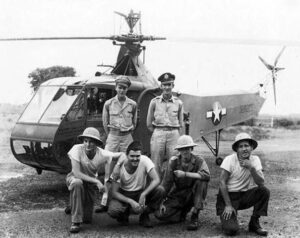 Fitzhugh would later serve at Brookley in several technical and supervisory roles, placing him at the center of this vital wartime effort.
Like the other Doolittle Raiders, Fitzhugh was selected for the mission in February 1942. During the raid itself, Aircraft No. 2 (Crew 02) followed James Harold “Jimmy” Doolittle’s  Aircraft No. 1 (Crew 01) across Japan toward the Chinese coast. Flying in darkness and deteriorating weather conditions, Crew 02 lost visual contact with the lead aircraft. As they crossed into China, the left engine began to sputter, creating an increasingly critical situation. Rather than ordering the crew to bail out, pilot Travis Hoover
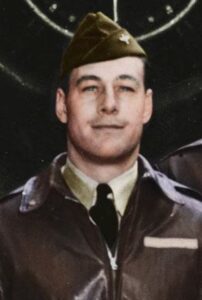
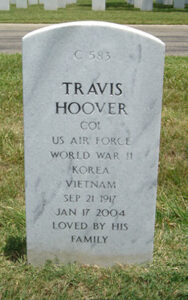 elected to attempt a landing.
Hoover successfully brought the B-25 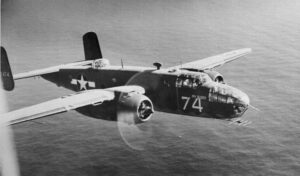 down in a belly landing in a rice paddy near Ningbo, in Zhejiang Province, at approximately 29°44’04.3″N, 121°50’33.5″E. The landing took place in Japanese-occupied territory, yet remarkably no crew members were injured. The weather during the first night was rainy, cloudy, and misty, further complicating their situation.
Before abandoning the aircraft, the crew removed several useful items, then set the aircraft on fire to prevent it from falling into enemy hands. They then moved away on foot. After three days of evasion, Crew 02 was located by members of the Chinese resistance, who guided them safely toward Free China. The crew eventually reached Chongqing on 14-05-1942, completing their escape after weeks of uncertainty and danger.
After the Doolittle Raid, William Neal Fitzhugh remained in China, where he flew additional combat missions with the 11th Bomb Squadron  under command of Major Austin A. Straubel
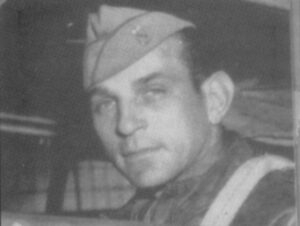
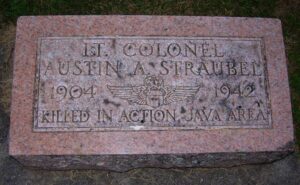 from June 1942 to May 1943. William then returned to the United States and was assigned to the 93rd Ferrying Squadron,
  serving from July to November 1943 in the critical task of ferrying aircraft and personnel. From December 1943 until his release from active duty on 10-07-1946, Fitzhugh served at Brookley Field, Alabama, holding a series of technical and supervisory positions as Flight Test Officer, Production Inspection Officer, and Maintenance Officer. After leaving active service, William remained affiliated with the military as a member of the Air Force Reserve
  until 04-08-1955, retiring with the rank of Major.
Following his release from active military service, Fitzhugh returned to civilian life and worked in the field of insurance claims adjustment, applying the organizational discipline and technical judgment developed during his long military career. His life after the war, like that of many Doolittle Raiders, 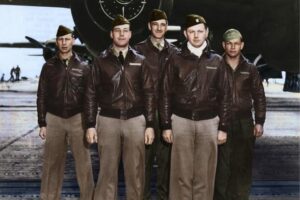 blended quiet professionalism with a lasting connection to one of the most daring air operations of the World War II.
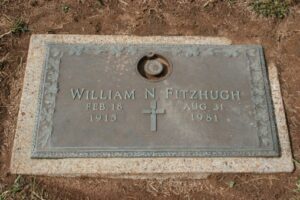
Death and burial ground of Fitzhugh, William Neal.
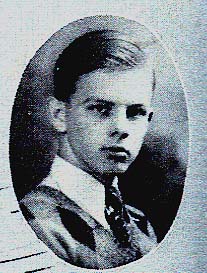
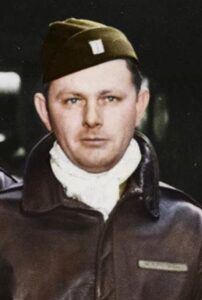
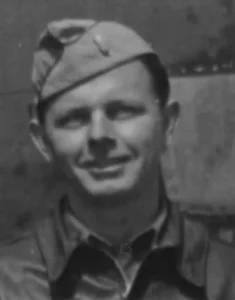
William Neal Fitzhugh died on 31-08-1981, age 66, in a local hospital in Mobile. After Willams death, his wife Dorothea “Dot” later remarried. She was born in 1923 and she died on 26-05-2012,
Fitzhugh, William Neal is buried at the Mobile Memorial Gardens Cemetery, Tillmans Corner, Mobile, 6040 Three Notch Road, Mobile, AL 36619, Alabama, Unites States.


Leave a Reply