

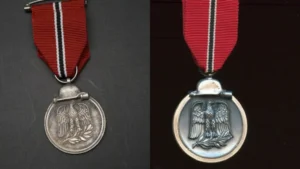
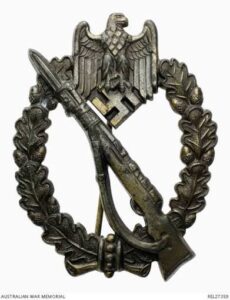

Unfried, Willibald “Willi”, born 06-06-1919 in Großenried-Feuchtwangen/Bayern, 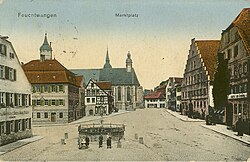 Germany, emerged as one of the most decorated soldiers in the 9th Company, Infantry Regiment 213, 73rd Infantry Division.
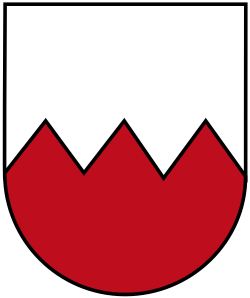 under command of General der Infanterie Bruno Richard Karl Bieler


On 01-01-1945, the 73rd Infantry Division (then part of 9th Army under Army Group A) had a strength of 10,782 men.
The 73rd Infantry Division was destroyed in the fighting around Danzig in 1945. The surviving divisional staff officers went down with the liner Goya 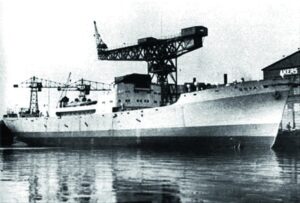 on 17-04-1945.
Operation Hannibal: On 16-04-1945, the overcrowded Goya departed from the Hel Peninsula in the Baltic Sea to evacuate German soldiers and civilian refugees from the advancing Red Army. The disaster: Just before midnight (around 11:52 PM), the ship was torpedoed by the Russian submarine L-3, 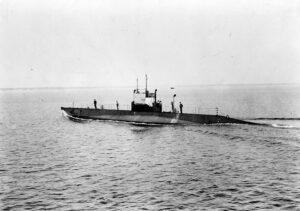 under the command of Captain Vladimir Konovalov.
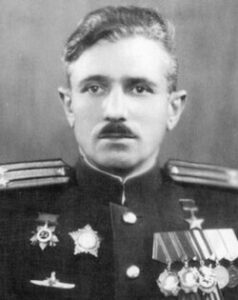 The ship sank within a few minutes. Victims: Of the estimated 6,700 to 7,200 passengers, over 6,000 to 7,000 lost their lives; only about 182 to 183 people were rescued. This makes it one of the largest maritime disasters ever. Captain Konovalov survived the war and passed away 29-11-1967 ( age 55 ) in Saint Petersburg, Petrogradsky Rayon, Sankt-Peterburg, Russia.
“Willi” entlisted on on 14-08-1940 and fought as an MG 34/42 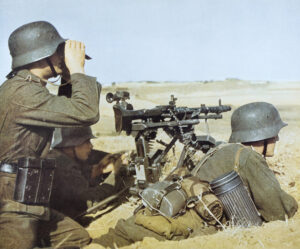 machine gunner through the Balkan campaign ands the brutal Eastern Front battles of 1941-1942.
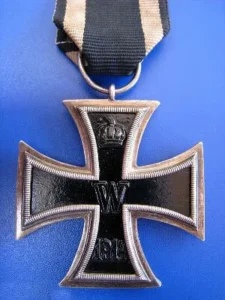
In August 1941 near Postolany “Willi” Unfried distinquished himself under heavy fire. On 10-09-1941, he was among the first to capture Novaja Majatschka, 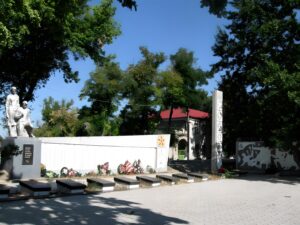 earning the Iron Cross Second Class.
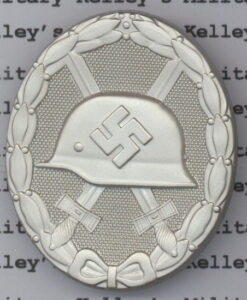
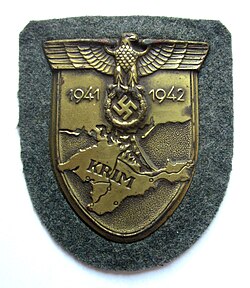
 During the Perekop Isthmus and Tatar Wall fighting and later at Kerch, he repeatedly exposed himself to enemy fire to cover his comrade’ s advance, breaking soviet counterattacks and prevented severe losses. For these actions, he received the
 Iron Cross First Class.
On 31-12-1941 at Tambowka and again on 16-01-1942 at Adschigol, his machine-gun fire halted enemy assaults. At age 22 on 02-03-1942 he was awarded the Knight Cross of the Iron Cross 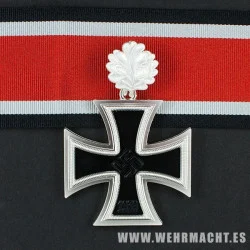 for exceptional bravery and leadership in combat. Willi survived the war, but many of his comrades did not.
The Knight’s Cross of the Iron Cross (German: Ritterkreuz des Eisernen Kreuzes) and its variants were the highest awards in the military and paramilitary forces of Nazi Germany during World War II. The Knight’s Cross of the Iron Cross was awarded for a wide range of reasons and across all ranks, from a senior commander for skilled leadership of his troops in battle to a low-ranking soldier for a single act of extreme gallantry.
After 1945 Unfried returned to civillian life as a stonemason, Willibald Unfried Gravestones Concrete Products in gravestones and concrete goods in Arberg. Rather than seek personal recognition or fade into anonymity, he chose a different legacy. Using his own money and labor, he personally financed and built a memorial in Arberg to honor all the fallen soldiers from his hometown-men who had served and died in the war. Just the quietconviction that the dead deserved to be remembered.
The monument 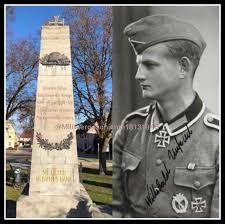 stands today as a testament not only to the fallen but to a man who fought fiercely in war and then devoted his peacetime to ensuring their sacrifice was not forgotten. Some heroes win battles. Other spend their lives making sure those battles- and the men who fought them- are never erased. Lest We Foregget.
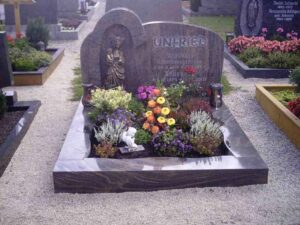
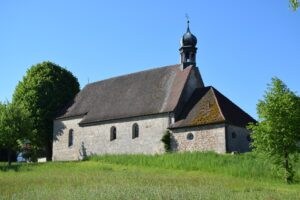
Death and burial ground of Unfried, Willibald “Willi”.
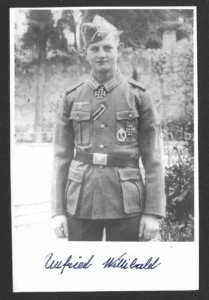
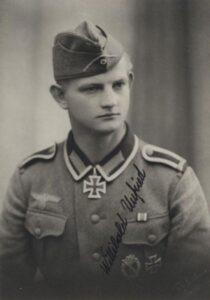

Unfried, Willibald “Willi” 21-07-1994, passed away, age 75 in Neuendettelsau/Bayern, Germany and is buried at the cemetery/ Friedhof Arberg in Bayern, Kapellbuck 8, 91722 Arberg, Bayern, Germany.
Message(s), tips or interesting graves for the webmaster: robhopmans@outlook.com


Leave a Reply