




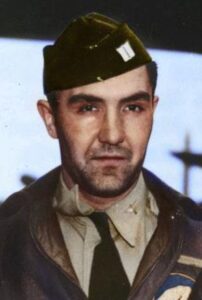
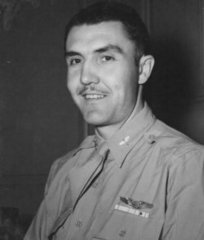
Nielsen,Chase Jay, born 14-01-1917 in Hyrum, 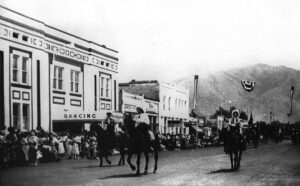 Utah, United States, to Don Carlos Floyd Nielsen (1889-1983)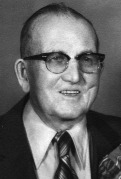
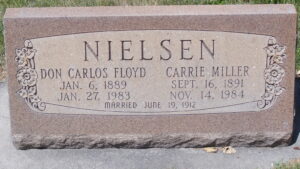 and Carrie Miller Nielsen (1891-1984)
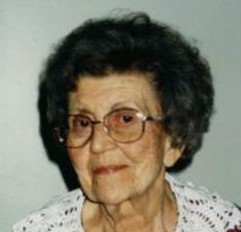
 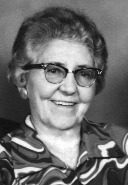 , who were of Danish, Swedish, Prussian, and Welsh descent. Chase was one of six children born to the family and was a member of the Church of Jesus Christ of Latter-day Saints. One brother and four sisters, Afton Farris Nielsen Erickson (1913–2000)
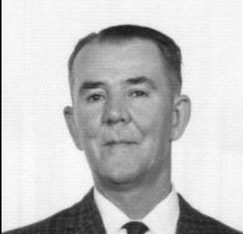
  Wade Floyd Nielsen (1914–1984),
  Coy Nielsen Scharp (1921–2012),
 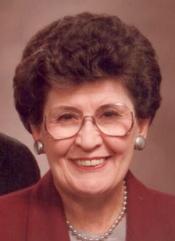 Maurine Nielsen Taylor (1925–1972)
 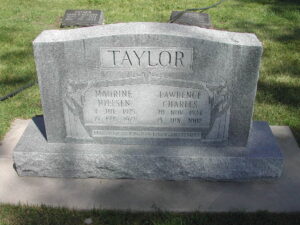 and Colleen Nielsen Checketts (1927–2018)
 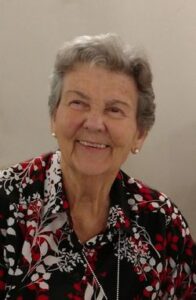 . Shane was married to Beulah, Thompson Nielsen
(1917–2015) 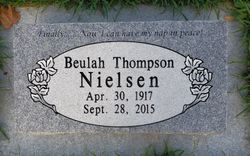 and the couple had two children, Lee Wade Nielsen (1939–2016) and Christine Judie Nielsen May (1950–2024).
In 1935, he graduated from South Cache High School in Hyrum, Utah and then attended Utah State University,  where Chase graduated in 1939 with a Bachelor of Science degree in civil engineering.
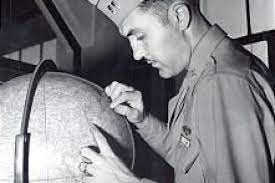
In August 1939, he enlisted in the U.S. Army Air Corps  as a flying cadet at Fort Douglas in Utah. He graduated from Navigator School in June 1941 and on the same month, Nielsen was assigned to the 17th Bombardment Group
 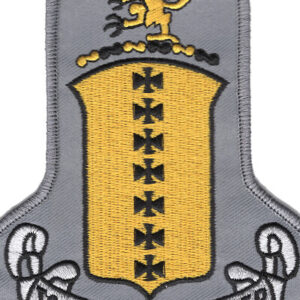 at McChord Field in Washington, which was equipped with the North American B-25 Mitchell bomber.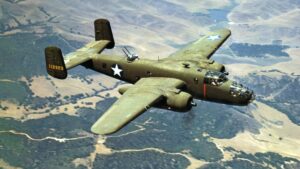
After the Japanese attack on Pearl Harbor  on 07-12-1941, the 17th Bombardment Group immediately began anti-submarine patrols off the coast of Oregon and Washington.
In February 1942, Nielsen volunteered for a “secret mission”, even though he did not know what duties were involved or any other details. This mission ended up being the critical Doolittle Raid,  which was led by Lieutenant Colonel James Harold “Jimmy Doolittle.
 “The raid was daring not only because of the intended targets, the Japanese homeland, but because the pilots trained to take-off in a B-25 bomber from the deck of an aircraft carrier, something neither the designers of the B-25, nor the aircraft carrier, ever envisioned.
Nielsen was the navigator for sixth bomber, plane# 40-2298 nicknamed “The Green Hornet”, 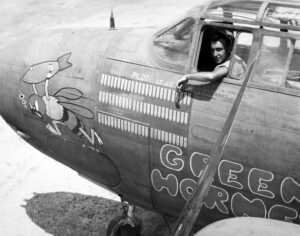 to depart the deck of the USS Hornet
  during the mission. On 18-04-1942, Chase Nielsen and his B-25’s four crewmembers,
 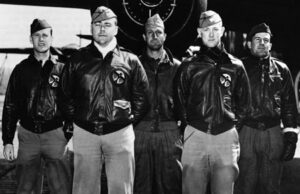 took off from the Hornet and reached Tokyo, Japan. They bombed their target; a steel mill in the northern part of the city. They then headed for their recovery airfield in China. Running low on fuel due to the early launch of the raid, the B-25s failed to reach any of the designated safety zones in China. The pilot of Meder’s bomber, First Lieutenant Dean Eward Hallmark,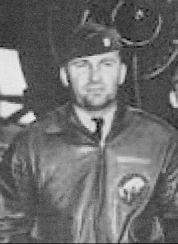
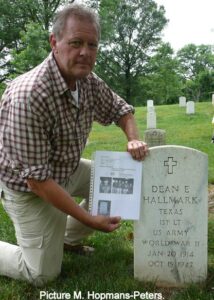 was forced to ditch at sea off the coast of Wenzhou, China. Second Lieutenant William John “Billy Jack” Dieter (bombardier)
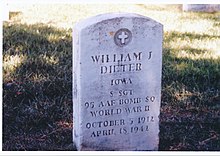 and Sergeant Donald Eward Fitzmaurice (gunner)

 drowned when the aircraft ditched into the sea, while Nielsen, Hallmark and co-pilot Robert John “Bob” Meder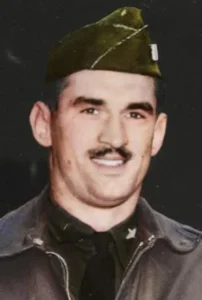
 managed to swim ashore. The next day, they buried the bodies of Fitzmaurice and Dieter.
On April 27, as they tried to reach safety with the help of friendly local Chinese, all three men were captured by Japanese troops  and interred as POWs in Shanghai, along with crew of the sixteenth bomber. Nielsen and other American prisoners were held in solitary confinement, where they were threatened and tortured by the Japanese, but resisted weeks of interrogation. The Japanese government sentenced all the eight prisoners to death and after a mock trial on 14-10-1942, Hallmark, Second Lieutenant William Glover “Bill” Farrow (pilot of bomber#16)

 and Sergeant Harold Althouse “Skinny”. Spatz (gunner of bomber#16)

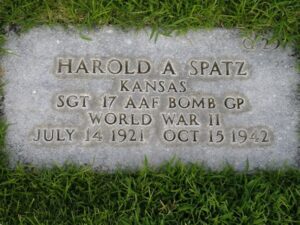 were selected for execution, while the Japanese commuted others to life in prison. The three men were executed on 15-10-1942, at Shanghai’s Public Cemetery No. 1.
Nielsen and other prisoners of the raid were placed in solitary confinement and on the anniversary of the Doolittle Raid in 1943, the prisoners were transferred to a military prison at Nanking, where “Bob” Meder, age 26 died in 01-12-1943, due to malnutrition and beri-beri. Meder’s death resulted in the improvement of conditions for Nielsen and the remaining prisoners of the raid. On 20-08-1945, Nielsen and other prisoners were rescued at the end of the war by an Office of Strategic Services para-rescue team  and brought back to the U.S. He returned to Shanghai in January 1946 to testify in the trials against his former captors, who had tortured him with waterboarding, then called the “water cure.” Extracts from his testimony were later presented at the Tokyo Trial.
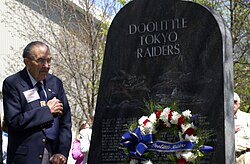 Nielsen at the Doolittle Tokyo Raiders memorial at the National Museum of the United States Air Force (2006)
Chase Nielsen became a member of Strategic Air Command (SAC)  in March 1949 at Roswell AFB in New Mexico, where he was assigned to the 509th Bombardment Group,
 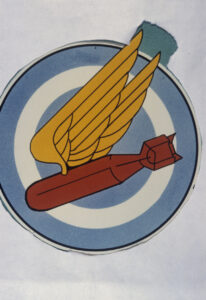 the first group to be organized, equipped and trained for nuclear warfare. Enola Gay,
  the B-29 that dropped the Little Boy atomic bomb on Hiroshima in the first ever use of a nuclear weapon, was assigned to the 509th.
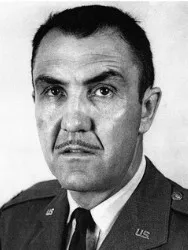
During his decade with SAC, Colonel Nielsen helped the command develop key operational innovations, including radar navigation bombardment, air refueling employing the flying boom, and electronic countermeasures. He helped integrate “fail safe” and other emergency war order procedures into SAC’s unique set of flight profiles.
Colonel Nielsen returned to the air while assigned to SAC and reached more than 10,000 flying hours in B-29s, B-50s, B-36s and B-52s. His longest flight lasted 26 hours non-stop without refueling from Okinawa, Japan, to Walker Air Force Base, in a B-36. Lieutenant Colonel Nielsen retired from the Air Force in 1961. He accumulated over 10,000 flying hours during his Air Force career.
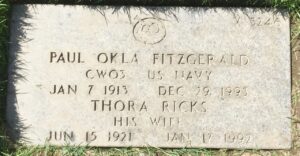
Nielsen was married three times, first with Thora Ricks Fitzgerald (1921–1992) 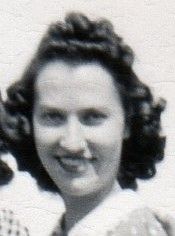
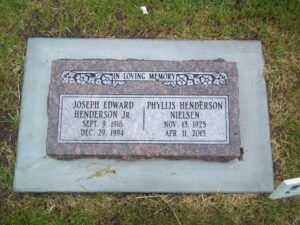
 (married in 1941) and had one daughter with her, Sherrie Lee Nielsen, Wendel (1959-2020), then Phyllis Sandel Nielsen (1925–2015
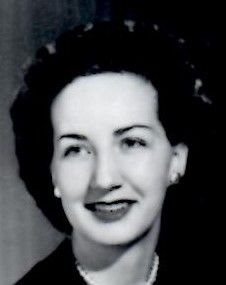
  (married in 1995), then Cleo Rayona McCrary Nielsen (1918–1995)
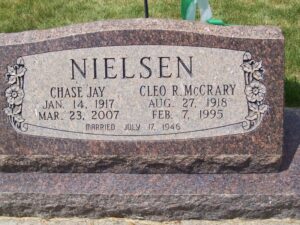 and had three children from his first marriage, and several grand and great-grandchildren.
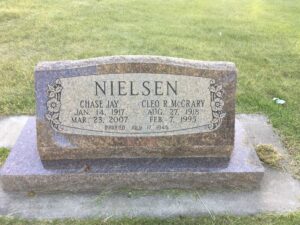
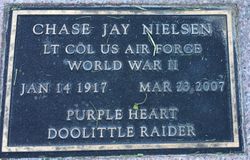
Death and burial gfround of Nielsen, Chase Jay.
After his retirement from the Air Force, Nielsen began a career as an industrial engineer with the Ogden Air Logistics Center at Hill Air Force Base, Utah.  He retired in 1981.[5]
Nielsen passed away at his home in Brigham City, Utah on 23-03-2007, at the age of 90. Chase Nielsen was buried at Hyrum City Cemetery in Hyrum, Utah.


Leave a Reply