

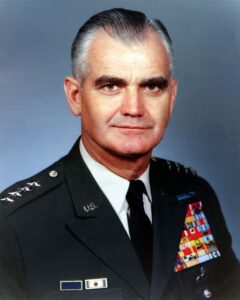
Westmoreland, William Childs, born 26-03-1914, in Saxon,  South Carolina, United States, to James Ripley “Ripp” Westmoreland (1876–1964)
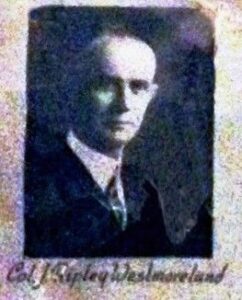
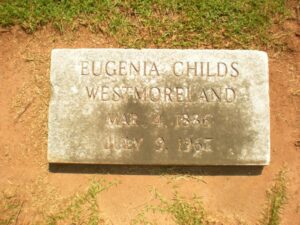
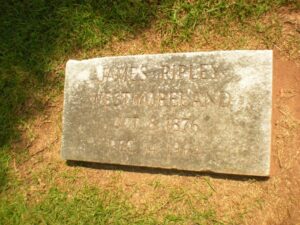 and his wife Eugenia Talley Childs Westmoreland (1886–1967)
 William had one sister Margaret Rush Westmoreland Clarkson (1916–2019)
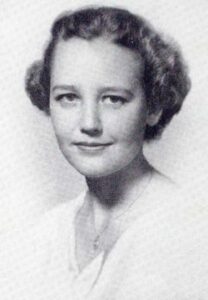
Willam who in 1947 was married with Katherine Stevens “Kitsy”, born Van Deusen, Westmoreland 1927–2021), was born into a prosperous family in Upstate South Carolina, and demonstrated leadership abilities from an early age as a Boy Scout and attended the US Military Academy in West Point, 
 graduating at the top of his class in 1936. He excelled during his service in the European theater during World War II.
His upper middle class family was involved in the local banking and textile industries. Eugenia’s aunt, Bessie Springs Childs, lived with other influential family members in Columbia, South Carolina, owning property that would become the Visanska Starks House. The family operated Springs Industries (now Springs Global) railroads and utilities.
At the age of 15, Westmoreland became an Eagle Scout in his Boy Scouts of America (BSA)  local council’s Troop 1, and was recipient of the Distinguished Eagle Scout Award
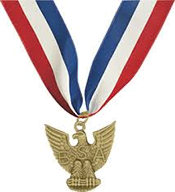 and Silver Buffalo
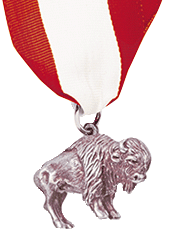 from the BSA as a young adult. After spending a year at The Citadel in 1932, he was appointed to attend the United States Military Academy on the nomination of Senator James Francis Byrnes,
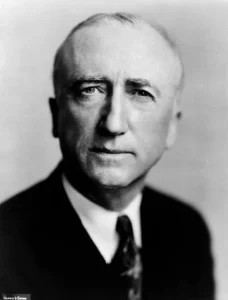 a family friend.
Westmoreland said his motive for entering West Point was “to see the world”. He was a member of a distinguished West Point class that also included Creighton Williams Abrams Jr 
 and Benjamin Oliver Davis Jr.

 Westmoreland graduated as First Captain, the highest cadet rank, and received the Pershing Sword, which is “presented to the cadet with highest level of military proficiency”. Westmoreland also served as the superintendent of the Protestant Sunday School Teachers.
Following graduation from the United States Military Academy at West Point in 1936, Westmoreland became an artillery officer and served in several assignments with the 18th Field Artillery 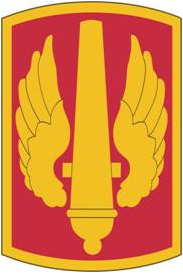 at Fort Sill. In 1939, he was promoted to first lieutenant, after which he was a battery commander and battalion staff officer with the 8th Field Artillery
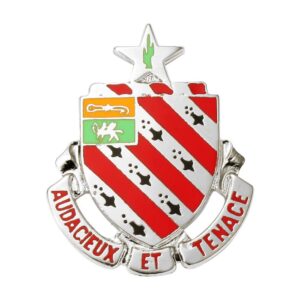 at Schofield Barracks, Hawaii. In World War II, Westmoreland saw combat with the 34th Field Artillery Regiment, 9th Infantry Division,
 Old Reliables Varsity, in Tunisia, Sicily, France, and Germany; he commanded the 34th Battalion
 in Tunisia and Sicily. He reached the temporary wartime rank of colonel, and on 13-10-1944, was appointed the chief of staff of the 9th Infantry Division. He saw early combat in Tunesia and North Africa, where his unit, earned a Presidential Unit Citation for actions around the Kasserine Pass against German forces under command of General Erwinn Johannes Eugen Rommel.


 In Sicily Westmoreland particioated in the Allied invasion of Sicily, earning a Legion of Merit.

After the war, Westmoreland completed paratrooper training at the army’s jump school in 1946. He then commanded the 504th Parachute Infantry Regiment,  82nd Airborne Division.
 From 1947 to 1950, he served as chief of staff for the 82nd Airborne Division. He was an instructor at the Command and General Staff College from August to October 1950 and at the newly organized U.S. Army War College from October 1950 to July 1952. From July 1952 to October 1953, Westmoreland commanded the 187th Airborne Regimental Combat Team in Japan and Korea. He was promoted to Brigadier General in November 1952 at the age of 38, making him one of the youngest U.S. Army Generals in the post-World War II era.
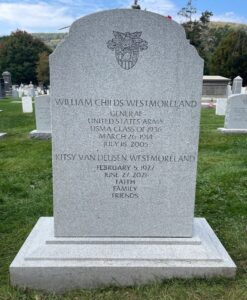
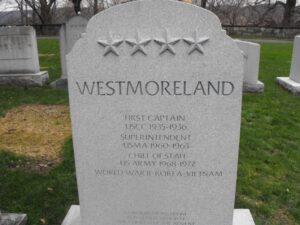
Death and burial ground of Westmoreland, William Childs.
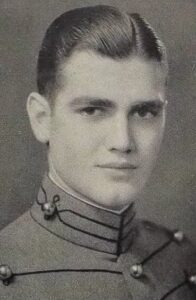
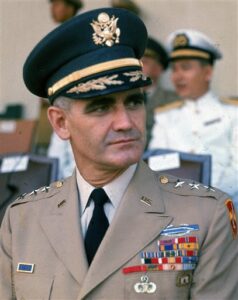
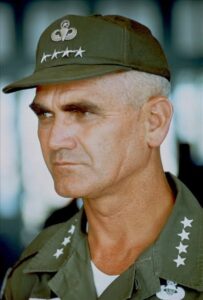
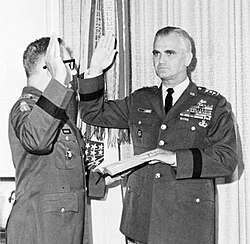
Westmoreland first met his future wife, Katherine (Kitsy) Stevens Van Deusen (1927-2021),
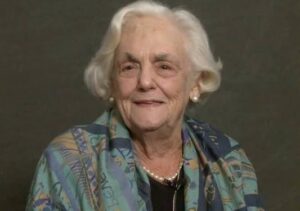
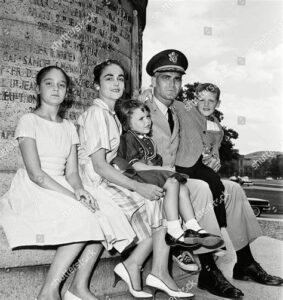
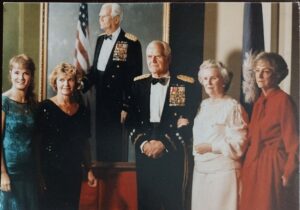 while stationed at Fort Sill. Westmoreland met her again in North Carolina when she was nineteen and a student at University of North Carolina at Greensboro. The couple married in May 1947 and had three children.
Just hours after Westmoreland was sworn in as Army Chief of Staff on July 07-07-1968, his brother-in-law, Lieutenant Colonel Frederick “Fritz” Van Deusen, 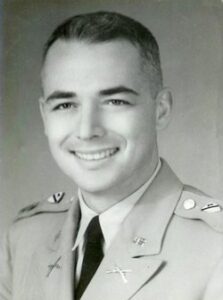 commander of 2nd Battalion, 47th Infantry Regiment, was killed when his helicopter was shot down in the Mekong Delta region of Vietnam.
Westmoreland passed away on 18-07-2005, at the age of 91 at the Bishop Gadsden retirement home in Charleston, South Carolina. He had suffered from Alzheimer’s disease during the final years of his life. He was buried on 23-07-2005, at the West Point Cemetery. West Point, Orange County, New York, United States. Section XVIII.


Leave a Reply