

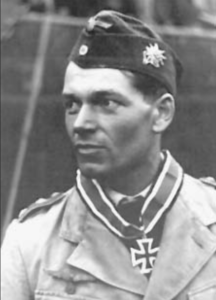
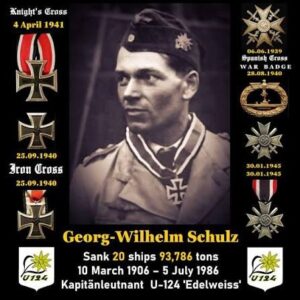
Schulz, Georg-Wilhelm, born 10-03-1906 in Cologne, 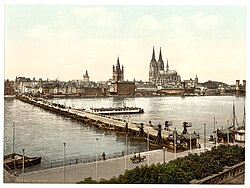 Germany and exactly on this date (outside Cologne) the Courrières mine disaster took place in Northern France. With 1,099 deaths, this is still the deadliest mining disaster in European history.
George Wilhelm initially entered the merchant marine, eventually spending ten years there, including time spent on sailing ships. He joined the navy in October 1933, initially as HSO, Handelschiffoffizier (merchant ship officer). He moved to the U-boat arm  under command of Commander-in-Chief of U-boats Karl Dönitz

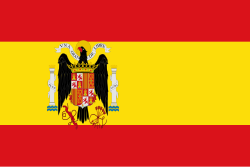
 , on 27-09-1935 as an Oberfähnrich zur See, spending the next three and half years training on submarines. During this time he appears to have been amongst those sent to help the Spanish Nationalists
 during the Spanish Civil War as he was awarded the Spanish Cross
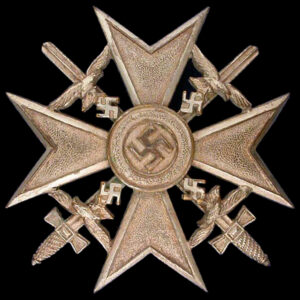 on 06-06-1939. He received his first command on 05-01-1939 when he took over U-10.
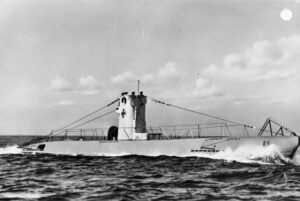 He was promoted to Kapitänleutnant on 01-04-1939 and on the outbreak of war he carried out two short patrols later that year, before leaving U-10 on 15 October.
His next command was U-64, 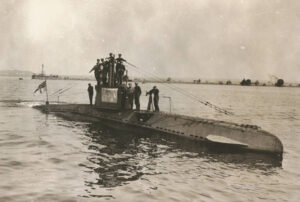
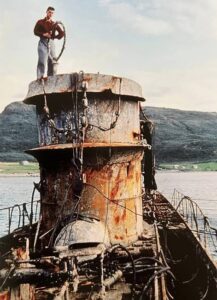 which he took over on 16-12-1939. Georg-Wilhelm took her on her first patrol off the Norwegian coast in April 1940. The patrol was only eight days old when U-64 was detected by a British aircraft on 13-04-1940, whilst hove-to 50 yards off-shore in Herjangsfjord near Narvik. The crew were repairing a minor problem with the periscope. The wreck of the U 64 was salvaged in 1957.
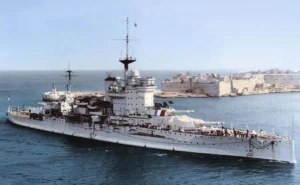
The aircraft was a Fairey Swordfish scouting float-plane that had been launched from the battleship HMS Warspite. 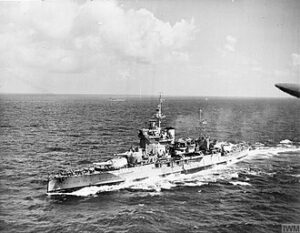 under command of Captain Victor Alexander Charles Crutchley.
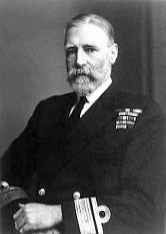
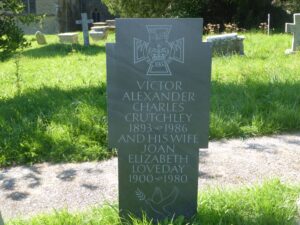 Captain Chrutchley survived the war and passed away 24-01-1986 (age 92) Nettlecombe, West Dorset District, Dorset, England
The Swordfish 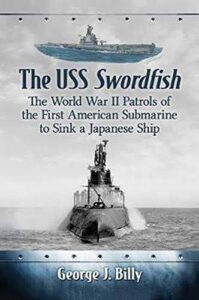 dived down to 200 feet (60 m) and dropped two 100-pound (45 kg) anti-submarine bombs. One was a near-miss, but one hit just behind the submarine’s conning-tower. Anti-aircraft fire from the U-boat caused minor damage to the aircraf U 64 was sunk in the Herjangsfjord near Bjerkvik, close to the Norwegian town of Narvik, by a Swordfish aircraft L 9767 from the British battleship HMS Warspite.
 Eight people died, but 38 crew members, as well as their commander Georg-Wilhelm Schulz, survived.
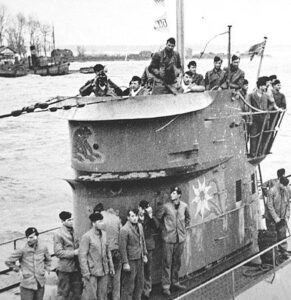
Two months later Schulz took over command of U-124, 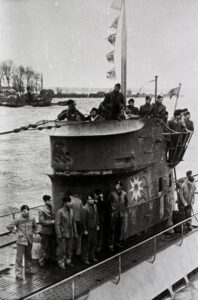
 with the other U-64 survivors forming the bulk of her crew. His greatest success was on his fourth patrol, where he sank 11 ships for a total of 52,379 tons, whilst also having damaged two other merchants. He was awarded the Iron Cross 1st Class
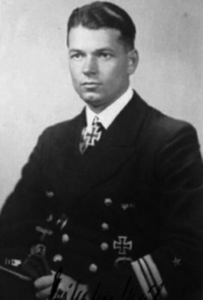
 on 25-09-1940, and the Knight’s Cross
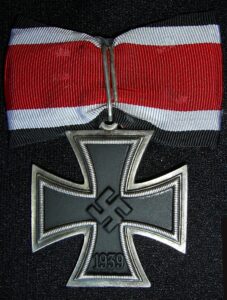 on 04-04-1941. Georg-Wilhelm stepped down as commander of U-124 on 07-09-1941, handing over to Korvettenkapitän Johann Mohr.
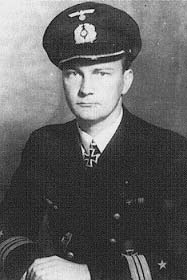 During this time several later successful U-boat captains had served under Schulz, including Mohr, Korvettenkapitän Reinhard Hardegen

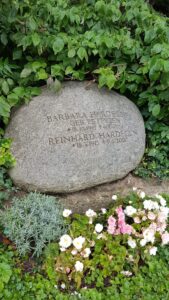 and Korvettenkapitän Werner Henke.


Schulz then took over as commander of 6th U-boat Flotilla, initially based in Danzig, and later in Saint-Nazaire. He was promoted to Korvettenkapitän on 01-04-1943, and in October 1943 he was attached to the Staff of the ‘FdU Ausbildungsflottillen’ (Commander Training flotillas) in Gotenhafen. He spent time here as a staff officer, and also as the leader of the ‘Erprobungsgruppe U-Boote’ (U-boat testing group). He briefly moved on 22-04-1945 to become the last commander of 25th U-boat Flotilla.
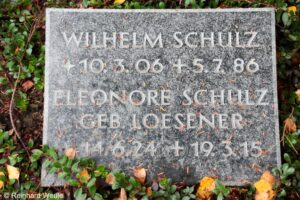
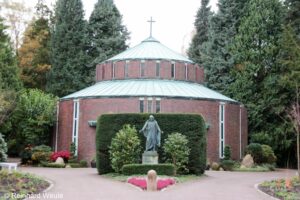
Death and burial ground of Schulz, Georg-Wilhelm.
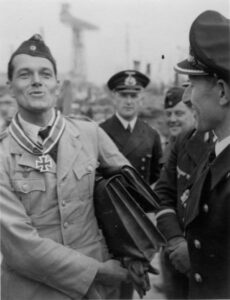
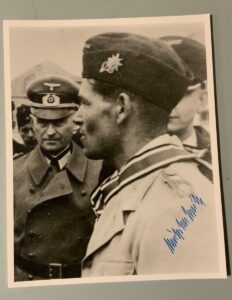
Little is known about Schulz’s postwar activities. Georg -Wilhelm who was married with Eleonore, born Loesener, Schulz, died in Hamburg on 05-07-1986 at the age of 80, and is buried with his wife at the Cemetery/Friedhof Nienstedten in Hamburg-Altona, Nienstedtener Marktplatz 19a, 22609 Hamburg, Germany.


Leave a Reply