

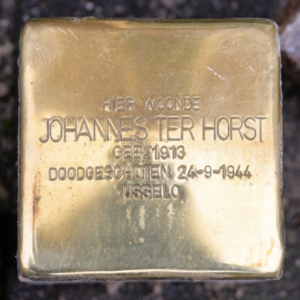
Horst Johannes Ter, born, 01-04-1913 in Enschede/Overijssel, 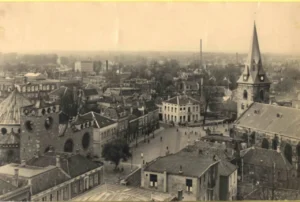 Netherland, to the Bloemendaalseweg 36 in Usselo, as the son of Jan Willem ter Horst and Grietje ter Horst, born Bootsma. He married Hermina Schreurs (24-03-1914 – 04-09-1991) on 06-09-1944.
From his Reformed conviction, Johannes ter Horst became active in the resistance in 1940. He soon tried to flee to England via the Ordedienst, (OD) 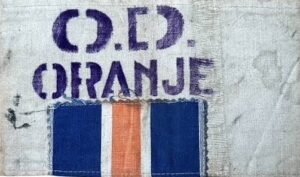 was an illegal Dutch resistance organization during World War II, founded in 1940 after the capitulation. The organization did not help him because it consisted of former military personnel and he did not belong to that group. After that, he took in French prisoners of war who had escaped from Germany and wanted to return to their country. He also later helped the crews of downed Allied aircraft and hiding Jews. Arrests within the Order Service temporarily forced Ter Horst to move to Amsterdam. He supported the resistance work of his brother-in-law Jaap de Johannes ter Horst there. After his return to Enschede, he helped pilots and people in hiding for another two years.
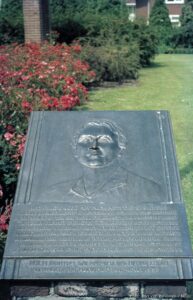
Ter Horst became an employee of the National Organization for Assistance to Hiders (LO) 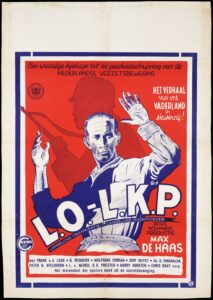 in 1943. Helena Kuipers-Rietberg (‘Aunt Riek’)

 and the Reformed minister Frederik Frits Stomp (‘Frits the Wanderer’)
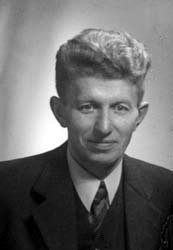
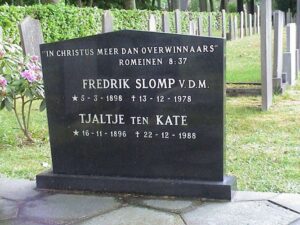 had founded this organization in Winterswijk in mid-1942. In the autumn, Ter Horst took over the leadership of the new KP-Enschede. The Knokploeg Twente was established because Dutch soldiers had to report back into captivity. Of the thirteen raids by the KP-Twente on prisons and distribution offices, Johannes Ter Horst and and Henk Kruithof, participated in twelve. On 22-01-1944, eight men freed two important members of the pilot assistance organization from the House of Detention in Almelo. Ter Horst manages to enter the director’s office of the House of Detention in Arnhem as “Rev. Rademaker” from Rotterdam together with his “wife,” courier Petertje van den Hengel.
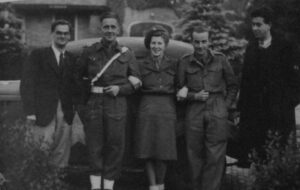
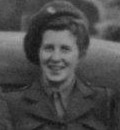 And then the largest liberation of World War II takes place: 54 prisoners are granted freedom. A beautiful story.
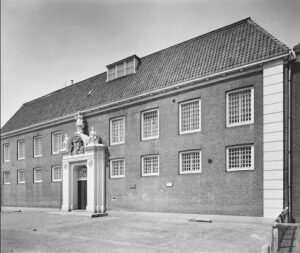
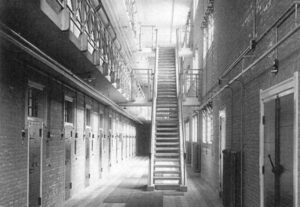
From July 1944, Ter Horst led the action groups in Twente and eastern Netherlands. After a stormy meeting at Huize Lidwina, 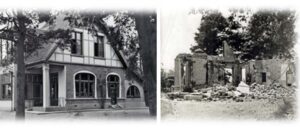 Huize Lidwina in Zenderen (municipality of Borne) was from the summer of 1944 the secret headquarters of the National Resistance Groups (LKP / KP Twente) in Eastern Netherlands.On 23-09-1944, the villa was raided and blown up with explosives by the German occupiers after being betrayed, resulting in the deaths of three men.
Ter Horst left for Almelo on the afternoon of Friday, September 22. He wanted to visit a KP member who had been injured in railroad sabotage, despite warnings about inspections following sabotage actions. In Almelo, he was arrested by the Feldgendarmerie. “field gendarmerie”) refers to military police units of the armies of the Kingdom of Saxony (from 1810), the German Empire and Nazi Germany up to the end of World War II in Europe. The nickname Kettenhunde (chain dogs) came from the metal breastplate (gorget) on a chain around their neck. 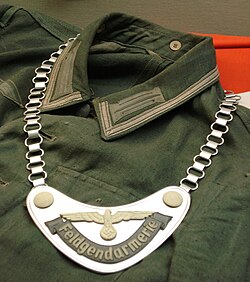
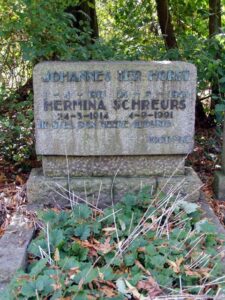
Death and burial ground of Horst Johannes Ter.
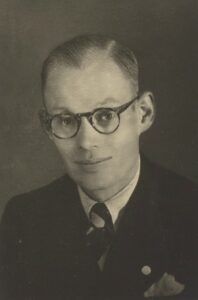
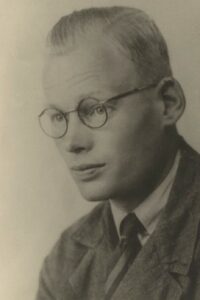
Because his papers were not in order, a soldier wanted to take him to the duty officer. His motorcycle was confiscated. During the search, the soldier found a pistol. When he showed it to a colleague, Ter Horst drew a second pistol and shot the soldier. Ter Horst fled while shooting and took the bicycle of a passerby. On a dirt road, he was injured by a shot in his leg and surrendered. After receiving hospital treatment, he was taken to the Dienststelle. The Sicherheitsdienst interrogated and severely tortured him, including pulling out his fingernails with pliers. However, he remained silent about the location of the headquarters and the names of other resistance fighters. Johannes ter Horst, age 31, was executed by Karl Erich Alfred Schöber 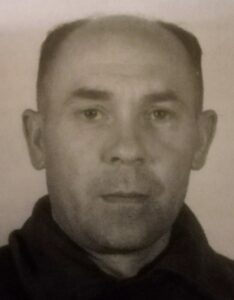 and Adolf Becker
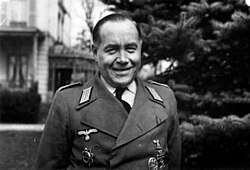 on Saturday, September 23, at an exploded culvert on the heath near Usselo.
From Schöber’s interrogation, it became clear that it was a personal act of revenge on his part. He had not forgotten the humiliating release of Piet Jr. from the Detention Center in Almelo:
Schöber, jointly responsible for various other war crimes in Twente, was sentenced to ten years in a national labor institution with a deduction of four years for pre-trial detention.
Adolf Becker survived the war and died 26-12-1981 (aged 82) in Viersen (Krefeld am Rhein), West Germany.
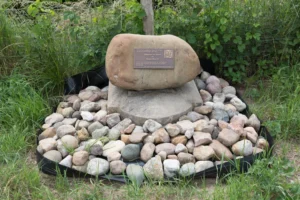
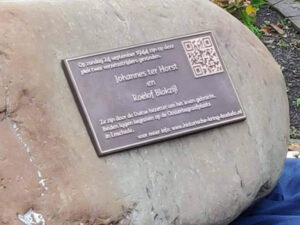
On Sunday, 24-09-1944, two resistance fighters were found at this location, Johannes ter Horst and Roelof Blokzijl. On 12-03-1947, the American government awarded Ter Horst the Medal of Freedom. The location is honored with a monument.
On 12-03-1947, the American government awarded Ter Horst the Medal of Freedom.  By Royal Decree of 25-07-1952, he was awarded the Resistance Cross 1940-1945.
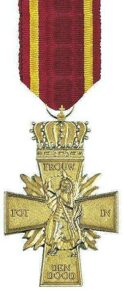 His grave is located at the General Eastern Cemetery in Enschede. Noord Esmarkerrondweg, 407, Enschede (opposite Lipperkerkstraat). Section 3, Grave 187.


Leave a Reply