



Easonsmith, John (“Jake”) Richard, born 12-04-1909, in Bristol, England 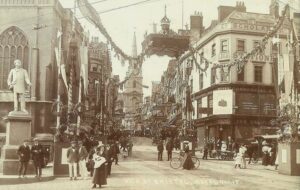 , the son of George Robert Easonsmith, a printer, and Daisy Aldridge, born Watson Easonsmith. John received his education at Mill Hill School in London,
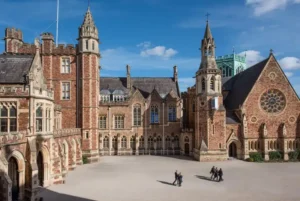
  and Clifton College, Bristol.
  After leaving school he joined W.D. and H.O. Wills
 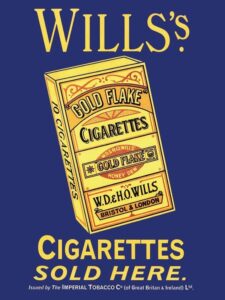 a British tobacco importer and cigarette manufacturer in Bristol. Afterwards he entered the wine trade as a salesman with the Emu Australian Wine Company Limited.
  Recreationally he was a member and played for the Clifton Rugby Football Club.
  John married Honor Gertrude Marsh and together they had a daughter.
On the outbreak of the World War II in September 1939, Easonsmith joined the 4th Battalion Gloucestershire Regiment, 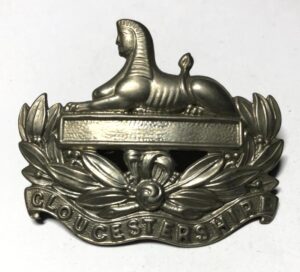 nickname “The Glorious Glosters”, Slashers a Territorial Army unit, under command of Brigadier-General Alexander W. Pagan DSO, that subsequently was converted to the 66th Search Light Regiment Royal Artillery.
 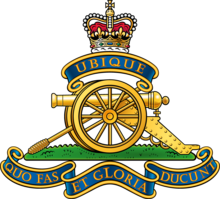 By August 1940 he had been promoted to the rank of sergeant and recommended for a commission, at the same time transferring to the Royal Tank Regiment.
 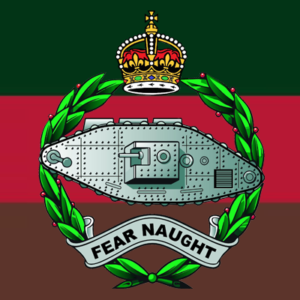 Having completed his officer training he received a commission as a subaltern in July 1940,and was posted to Egypt to take part in the British Empire’s North Africa Campaign in December 1940. In March 1941 he applied for a transfer into the behind-enemy-lines reconnaissance unit the Long Range Desert Group (LRDG).
 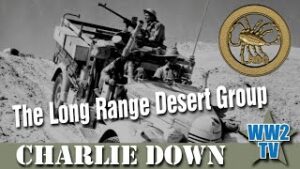 under command of Brigadier Guy Lenox Prendergast DSO
 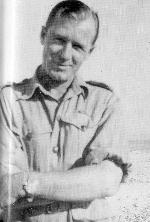 Guy survived the war and died on 06-10-1986 at the age of 81 years, in Fort Augustus, Inverness-shire, Scotland. The Long Range Desert Group (LRDG) was a reconnaissance and raiding unit of the British Army during the Second World War.
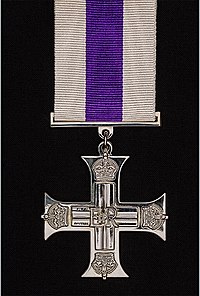
In August John was promoted to the rank of captain. He took part in the LRDG’s New Zealander ‘R1’ Patrol’s mission to pick up a detachment of the Special Air Service Regiment  after that regiment’s failed “Operation Squatter” raid against Axis desert airfields in November 1941. In December 1941 he was awarded the Military Cross
 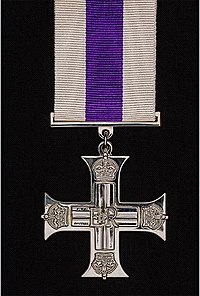 for gallantry in action. Easonsmith led the Barce Raid. Operation Caravan was a subsidiary of Operation Agreement under which four simultaneous raids were carried out against important Axis lines of communication positions in September 1942.
John was promoted to the rank of Major in October 1942, and in November 1942 was awarded the Distinguished Service Order.  In October 1943 he was promoted to lieutenant colonel, and was appointed as the Commanding Officer of the Long Range Desert Group, as the unit left the North Africa theatre, and embarked upon the Dodecanese Campaign, landing on the island of Leros.
The Dodecanese campaign was the capture and occupation of the Dodecanese islands by German forces during World War II. Following the signing of the Armistice of Cassibile on 03-099-1943, Italy switched sides and joined the Allies. As a result, the Germans made plans to seize control of the Dodecanese, which were under Italian control. The Allies planned to use the islands as bases to strike against German targets in the Balkans, which the Germans aimed to forestall.
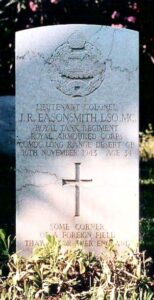
Death and burial ground of Easonsmith, John (“Jake”) Richard.

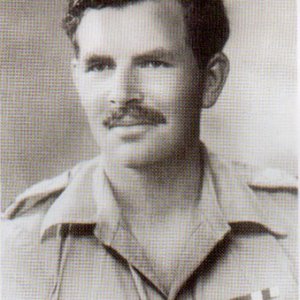
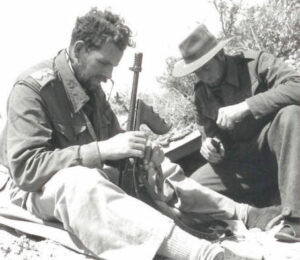
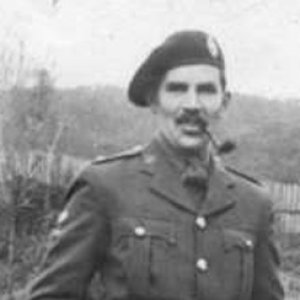
Easonsmith was killed in action at the age of 34 on 15 November 1943 during the Battle of Leros. The Battle of Leros was a combat over the Greek island of Leros between the Allies defending it and invading forces of Nazi Germany waged between 26 September and 16 November 1943. Regarded as the central event of the Dodecanese campaign of the Second World War, the term is widely used as an alternative name for the whole campaign. 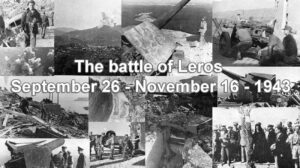 After the Armistice of Cassibile the Italian garrison on the Greek island Leros was strengthened by British forces on 15 September 1943. The battle began with German air attacks, continued with the landings on 12 November, and ended with the capitulation of the Allied forces four days later.
John Easonsmith 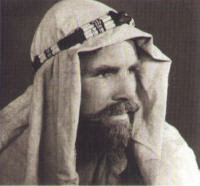 was shot by a German sniper
 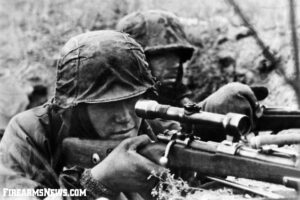 whilst carrying out a lone reconnaissance of a village. John’s body was buried in Leros War Cemetery, the gravestone bearing the inscription dedication drawn from Rupert Brooke’s
 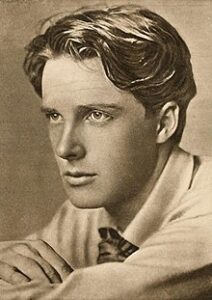 poem “The Soldier”: “Some corner of a foreign field that is for ever England”. His wife Honor Gertrude Easonsmith remarried on 02-04-1947 to Major K. P. Hardinge-Carter.


Leave a Reply