

Zwart, Pieter Jacob, alias Piet Zwikker born 11-03-1909, Wormerveer, 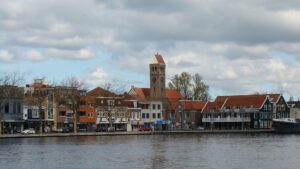 Netherlands. Pieter lived at Insulindelaan 2, Wormerveer, the son of Dirk Zwart and Klazina Wilhelmina, born Avis. Pieter was married to Annetje Kuiper. The couple had one child.
As a Garage business owner, Dutch Reformed, Zwart was involved in the Zaanstreek resistance from an early stage of the war, operating under the alias Piet Zwikker. He lent his cars to resistance action squads for use in raids on distribution offices, town halls, and other key locations. However, he also conducted business with the enemy—a practice that did not win him universal praise among his fellow resistance members. He did this to gather intelligence on troop movements and transports, and to protect his own staff, who were thereby spared from being conscripted for forced labor in Germany.
He arranged, among other things, outboard motors for people wishing to flee to England by boat—vessels that were usually barely seaworthy, if at all—and maintained contact with the Stijkel Group, founded and led by Johan Aaldrik (‘Han’) Stijkel, 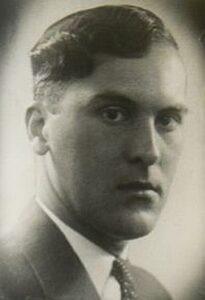
 one of the Netherlands’ first resistance movements. In later years, Pieter was involved in aiding people in hiding, the National Support Fund, and the underground press. He also lent vehicles to armed resistance groups. Johan Stijkel was arrested by the German SD Sicherheitsdienst
  and on 04-06-1943, age 31, excecuted by the Germans in the prison of Scheveningen (Oranjehotel),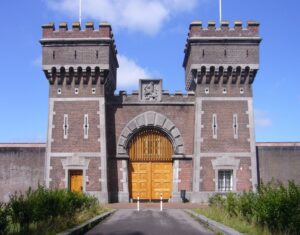
In late 1944, the resistance received an anonymous letter alleging that Zwart was collaborating with the Germans. An anonymous document making similar claims also reached the editorial staff of the underground communist newspaper *De Waarheid* “The Truth”. The rumors surrounding Zwart subsequently escalated alarmingly, and there was open discussion within resistance circles about liquidating him; he was viewed as a traitor.
A month before the liberation of the Netherlands, Johan Bak—acting on the orders of BS (Domestic Armed Forces)  group commander H. Buntsma and assisted by four others—shot and killed him. Near the *De Waakzaamheid* building,
 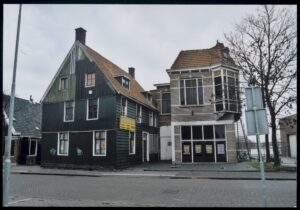 the group of five shot Zwart off his bicycle;
 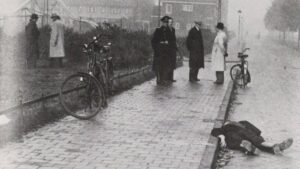 he fell dead in the street. This incident sparked fierce indignation within the BS, as it was by no means certain that Zwart had actually committed treason. All the perpetrators were arrested and detained in an illegal prison. A specially convened lay tribunal held a hearing in a church but did not issue a verdict, as the Germans had meanwhile capitulated.
On 02-04-1945, Jaap Boot, 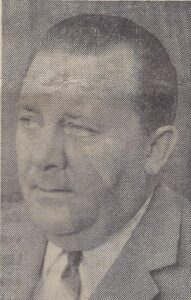 the Wormerveer commander of the BS (Domestic Armed Forces), walked to Piet Zwart’s house to warn him about the circulating rumors. ‘Piet, things are looking bad. Any moment now, some idiot might get it into his head to shoot one of the OD members. In the hands of some people, a weapon is deadly dangerous. A lot needs to change among the OD men; if not, I fear the worst.’ Piet’s wife reacted anxiously, saying: ‘Piet, stop it. I’m so afraid something is going to happen.’
That fear was well-founded. It turned out that resistance fighter Gerhard Muller 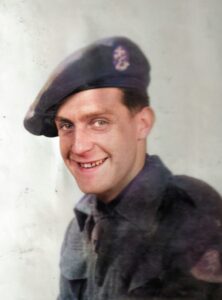 had been ordered to assassinate Zwart. However, Muller was convinced of Zwart’s innocence. He knew him well and often helped out in Zwart’s garage. Piet Zwart had even saved his life there once, when carbon monoxide leaked while Muller was working underneath a car; he was already unconscious by the time Zwart pulled him out from under the vehicle. From that moment on, Gerhard Muller felt indebted to the garage owner. Yet, no matter how hard Muller pleaded for his friend’s life, a small faction within the BS stood firm on the decision to kill this ‘traitor’.
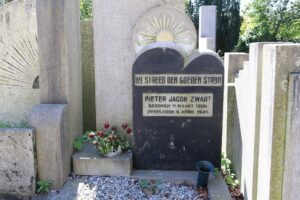
Death and burial ground of Zwart, Pieter Jacob “alias Piet Zwikker”.
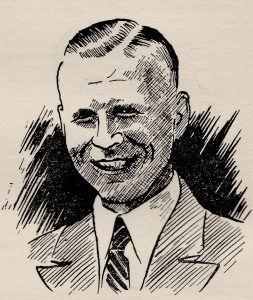
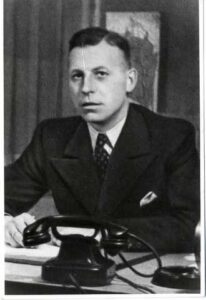
On 26-09-1945, the case regarding this murder finally came before the court-martial in Alkmaar. The presiding judge identified Dirk Bus—commander of the *Landelijke Knokploegen* (National Resistance Squads)—as the instigator of the malicious gossip that ultimately cost Zwart his life. Two individuals involved were sentenced to prison terms.
The sub-district commander of the Domestic Armed Forces sounded deeply moved on 11-05-1945. Standing amidst a large crowd of silent people at the cemetery in Wormerveer, he delivered a poignant farewell address filled with a sense of culpability. ‘You stand here assembled with sorrow in your hearts and, I hope, with shame as well. With sorrow, because we stand at the grave of one of our finest. With shame, because he did not fall to a German bullet—worse still, he fell to a bullet fired by one of our own. We are saddened that one of the Zaan region’s foremost resistance figures did not live to see these days of glory or reap the fruits of his labor.’ During a gathering of the *Binnenlandse Strijdkrachten* (Domestic Armed Forces) at the Wormerveer cemetery on 11-05-1945, the sub-district commander delivered an address expressing a sense of guilt.


Leave a Reply