

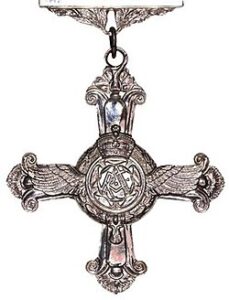
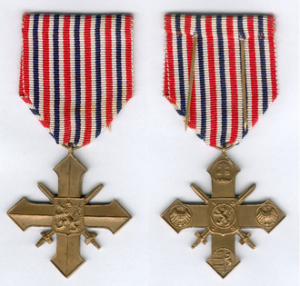

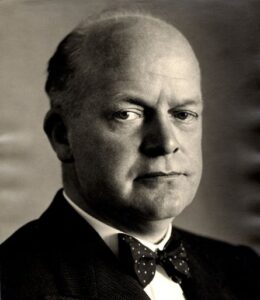
Pickard, Percy Charles “Pick”, born 16-05-1915, in Handsworth/Yorkshire, 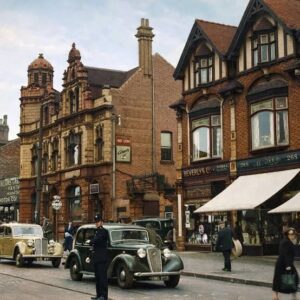 United Kingdom, attended Framlingham College. Percy was the youngest of the family of two sons and three daughters of Percy Pickard, a stone merchant, and his wife Jennie, born Skelton. In 1920, the family moved to Hampstead, London,
 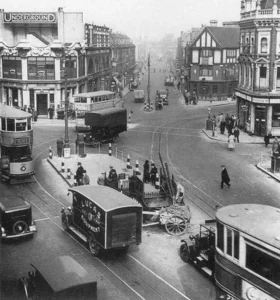 where Pickard’s father started a successful catering business that later became part of the Mecca Organization.
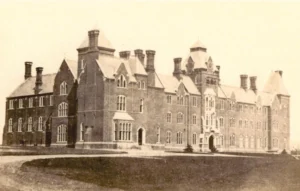
  After an unsuccessful school period at Framlingham College, Suffolk,
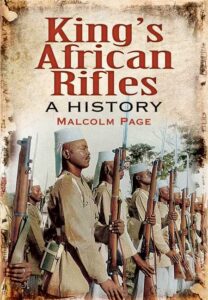
  Pickard went to Kenya in 1932 where he was a farmer for four years and achieved a respectable handicap in polo. In November 1935, he joined the King’s African Rifles Reserve
  as a reservist. After returning to England in 1936, he was unable to become an officer in the Army but was accepted into the RAF
  and received an appointment as Pilot Officer in the Royal Air Force Reserve
  in 1937 (for which he qualified due to his training) under command of Air Vice-Marshal Jo Lincoln
  and was posted to Bomber Command
  under command Sir Edgar Ludlow-Hewitt (1886–1973)
 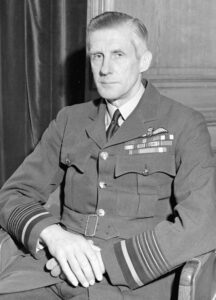 before being appointed in 1938 as the personal assistant to the air officer of a training group at Cranwell. Percy participated in the battles over Norway, France, and the evacuation from Dunkirk. Pickard led the low-flying attack on the prison of Amiens in the operation known as Operation Jericho. Operation Jericho was a daring low-level precision air raid by the British Royal Air Force on 18-02-1944, targeting the prison in Amiens, France, to free French Resistance fighters.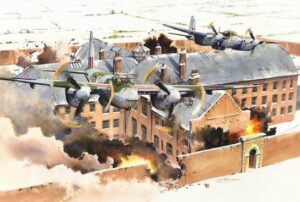
The attack was carried out at the request of the French Resistance 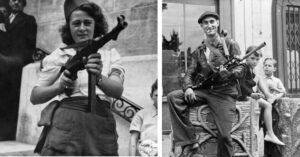 to give a significant number of their captured fighters – who were soon to be executed by the occupiers – the chance to escape. The Resistance indicated that the prisoners had said they would rather take the chance of being killed by the RAF than being shot by the Nazis. Operation Jericho was a success, but Pickard, along with his navigator, Flight Flight Lieutenant J. A. “Bill” Broadley,
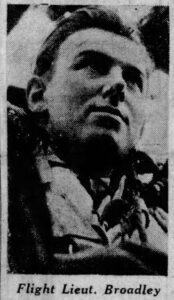
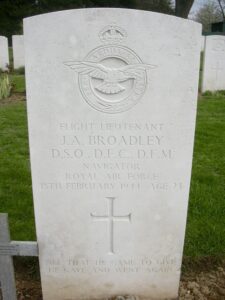 DSO, DFC, DFM, was killed on 18-02-1944 age 22-23, when their de Havilland Mosquito
  was shot down by a Focke Wulf 190,
 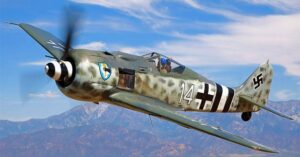 nickname: Würger; klauwier, flown by Feldwebel Wilhelm Mayer
 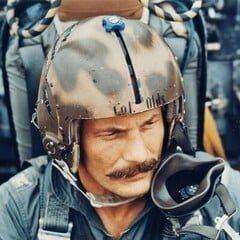 of 7 Jagdgeschwader 26, “Schlageter”
  under command of Major Gerhard Schöpfel
 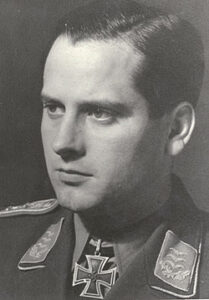 at the end of the attack. Initially, Pickard and Broadley were reported missing, but in September 1944 it was announced that they had been killed in action. Wilhelm Mayer was shot down 04-01-1945 (aged 27) near Lohnerbruch. Major Gerhard Schöpfel survived the war and passed away 17-05-2003 (aged 90) in Bergisch Gladbach-Refrath.
With his navigator, John Alan “Bill” or “Al” Broadley, he flew more than 100 missions. Flight Lieutenant John Alan “Bill” or “Al” Broadley (1921–1944) was one of the Royal Air Force’s (RAF) most heavily decorated non-pilot airmen of World War II. Serving as an elite navigator with 487 (R.N.Z.A.F.) Squadron, 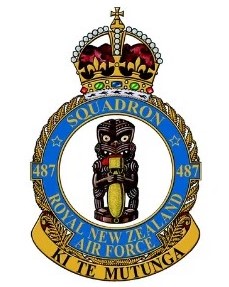 under command of Wing Commander Irving Stamley Smith,
  he was renowned for flying high-risk low-level missions. Commander Smits, passed away on 16-02-2000, age 82. He was predeceased by his wife, Joan born Debenham, a former officer in the Women’s Auxiliary Air Force who he had married in London in November 1942, and one of his two daughters. His son, Rupert Smith,
 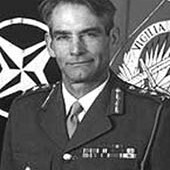 was a General in the British Army who served as deputy supreme commander of Allied Forces Europe at NATO headquarters.
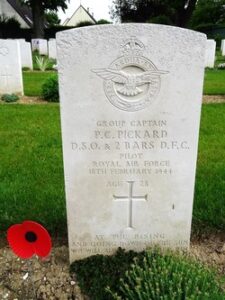
Their specialty was “moonlight missions” – dropping saboteurs into occupied Europe. They also played a major role in the successful airborne commando attack on the German Wurzburg Radar Installation near Bruneval. 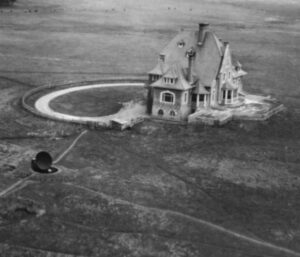 He even appeared in ‘Target For Tonight’: a propaganda film from 1941. Through the character he played – ‘F’ for Freddie – he became a national hero. Today, his gravestone is marked by a narrow white cross on which his many distinctions are inscribed. Initially, the French were under the mistaken impression that he had been posthumously awarded a Victoria Cross – and the letters VC had to be later removed from his gravestone. To recognize his heroism, the French also wanted to award him a Legion d’Honneur and a Croix de Guerre,
  but the proposals for this were thwarted by British policy to refuse posthumous foreign awards.
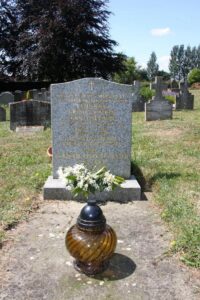
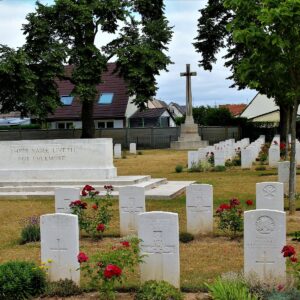
Death and burial ground of Pickard, Percy Charles “Pick”.
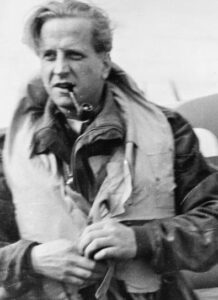
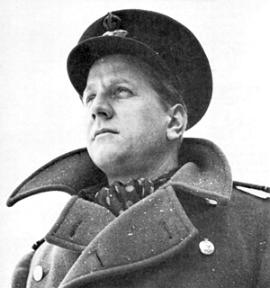
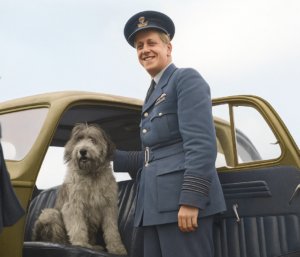
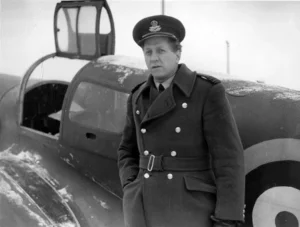
Through most of 1943 he commanded No 161 Squadron RAF,  the secretive unit that flew SOE agents in and out of occupied France. SOE agents “Special Operations Executive”
  was a secret British World War II organization formed in July 1940 to conduct espionage, sabotage, and reconnaissance in Axis-occupied territories.
Percy was a very active commanding officer, and flew many of the missions himself. In late 1943 Pickard was made the commander of a new unit, No 140 Wing, a ground attack formation whose three squadrons had converted to the Mosquito. Wing 140 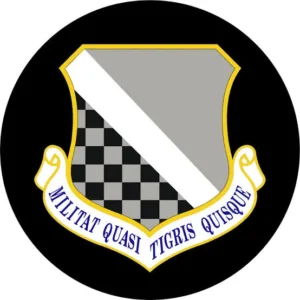 was a unit of the Colorado Air National Guard, stationed at Buckley Space Force Base, Aurora, Colorado.
On 18-02-1944 Pickard led a group of Mosquitos on the Amiens prison raid to destroy the walls of a Gestapo  prison and free the prisoners inside. Percy was killed in this operation. Pickard was one of the RAF’s most highly regarded bomber pilots of the war, ranking among the likes of Wing Commander and Dam Buster, Guy Penrose Gibson

 and Geoffrey Leonard Cheshire, Baron Cheshire
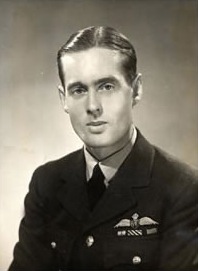
 a highly decorated British RAF pilot during World War II. Geoffrey survived the war and passed away 31-07-1992 (age 74) in Cavendish, St Edmundsbury Borough, Suffolk, England.
Pickard, Percy Charles “Pick” on 18-02-1944 (age 28) was shot down in an air battle near Amiens, Département de la Somme, Picardie, France and is buried at the Saint Pierre Cemetery, Amiens, Département de la Somme, Picardie, France. Section: 3. Row: B. Grave: 13.




Leave a Reply